

International Shipping Containers Explained with Clarity and Depth

A trusted editorial resource for container logistics, freight systems, port operations, and global shipping trends. Explore practical insights on container types, global routes, port activity, supply chain pressure, and the operational realities shaping international cargo movement.

Core Areas of Container Shipping
international shipping containers

Container Types

Explore the key container formats used in international shipping, from standard dry containers to reefer, flat rack, and open top units.

international shipping containers

Global Routes

Understand how containers move through major trade corridors, shipping lanes, transshipment hubs, and global freight networks.

international shipping containers

Freight Costs & Customs

Learn what shapes shipping costs and how customs, documentation, duties, and cargo release affect the full freight process.

How International Shipping Containers Support Global Trade

Adam Heath

By: Adam Heath

Adam Heath covers international shipping containers with a focus on freight systems, port activity, trade routes, and operational shipping realities. His writing on 4chanarchive.org is built to make complex container logistics easier to understand, without watering down the details.
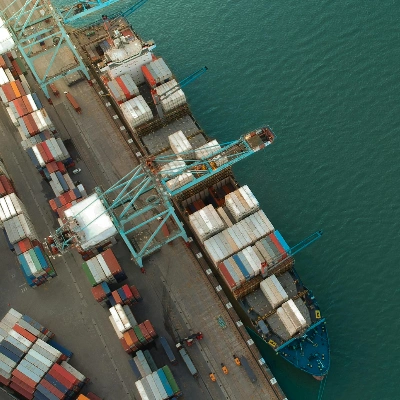
International shipping containers sit at the center of modern commerce. They are the standardized freight units that allow goods to move efficiently across oceans, ports, inland transport networks, distribution systems, and final delivery points without repeated breakdown and repacking at every stage. From industrial machinery and automotive parts to consumer goods, retail inventory, food products, and temperature-sensitive cargo, containerized freight supports the physical flow of global trade by connecting manufacturers, exporters, carriers, terminals, customs authorities, warehouses, and import markets through one coordinated logistics framework.

What makes container shipping so important is not the steel box alone, but the system built around it. Every container moves through a wider structure of vessel scheduling, port handling, route planning, cargo documentation, customs clearance, inland transfer, and supply chain timing. That is why international shipping containers matter far beyond transport itself. They help shape trade reliability, cost efficiency, cargo security, and operational scalability across global markets. This homepage explores that wider structure, giving readers a clearer view of how container shipping supports international trade, commercial movement, and modern logistics at scale.

What Readers Need to Understand About Container Shipping
international shipping containers

Operational Structure

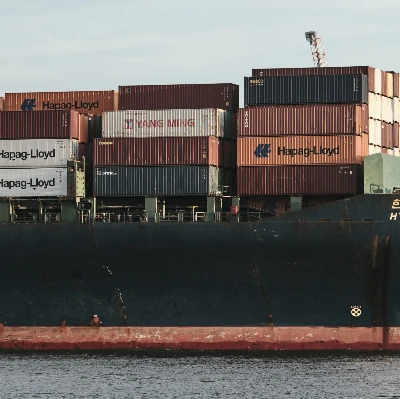
How containers move from origin to destination
international shipping containers

Commercial Reality

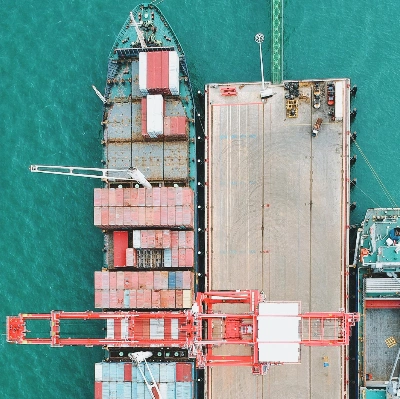
Why shipping cost is layered, not fixed
international shipping containers

Logistics Risk

Where disruption usually begins in the chain

International Container Shipping Is a System, Not Just a Shipment

International container shipping only looks simple from a distance. A container may appear to move from one port to another, but the real movement is far more structured. Behind every shipment is a chain of commercial, operational, and regulatory coordination involving the shipper, the consignee, the freight forwarder, the ocean carrier, the port terminal, the customs authority, inland transport providers, and the warehouse or distribution network receiving the cargo. Each party controls a different part of the process, and the shipment only works efficiently when those parts remain aligned.

The shipper prepares the cargo, the consignee receives it, and the freight forwarder often sits in the middle translating commercial needs into workable logistics execution. The ocean carrier provides vessel space and schedule movement, while the port terminal manages physical handling, yard flow, loading, discharge, and release coordination. Customs authorities control compliance, documentation review, classification, and legal entry or exit of goods. Inland transport then connects the port to warehouses, depots, factories, retail networks, or final distribution points. This means a container is never just “on a ship.” It is moving through a wider freight system where timing, data accuracy, handling discipline, and infrastructure capacity all shape the final result.

A delay is rarely isolated, and an efficient movement is rarely accidental. When one part weakens, documentation, terminal handling, customs clearance, inland delivery, storage exposure, and inventory timing can all be affected at once. The container may be the visible unit, but the real subject is the network around it. Understanding that network is what gives readers a more accurate view of how global trade actually functions.

Editor’s Picks
international shipping containers

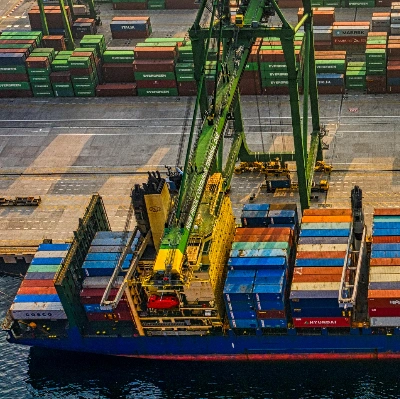
Types of Shipping Containers

Explore the main shipping container types used in global trade, from dry containers and reefers to flat racks, open tops, and specialized units.
international shipping containers

Container Sizes and Dimensions

Understand standard container sizes, internal dimensions, and capacity differences between 20ft, 40ft, and high cube shipping containers.
international shipping containers

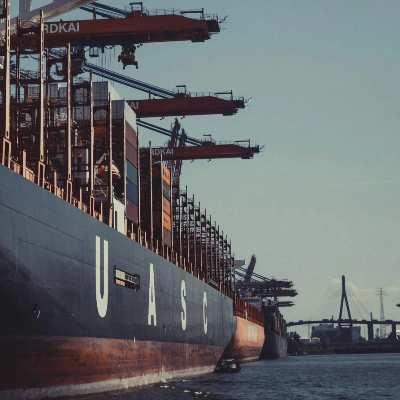
How Container Shipping Works

Learn how international container shipping moves from origin to destination, including booking, loading, ocean transit, customs, and final delivery.

international shipping containers

Global Shipping Routes

Discover the major shipping routes that connect ports, trade regions, and international container flows across the global freight network.
Explore More
international shipping containers

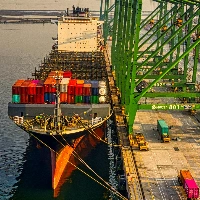
Container Costs and Pricing

See what affects container shipping costs, from freight rates and fuel pressure to port charges, inland transport, and equipment availability.
international shipping containers

Port Operations and Cargo Handling

Find out how ports handle containers through terminals, cranes, yard systems, cargo flow, and operational processes that affect shipping efficiency.
international shipping containers

Shipping Documents and Customs

Review the key shipping documents and customs steps used in container freight, including bills of lading, invoices, packing lists, and clearance procedures.
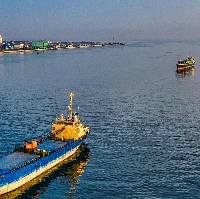
international shipping containers

Shipping Risks and Delays

Examine the common risks behind shipping delays, including port congestion, customs holds, documentation errors, weather disruption, and supply chain pressure.

4chanarchive

International Shipping

Read clear, structured insights on container logistics, cargo flow, documentation, route efficiency, and the commercial forces influencing international trade.

© 2026 4chanarchive.org. All rights reserved.