
International Shipping Containers Explained with Clarity and Depth
A trusted editorial resource for container logistics, freight systems, port operations, and global shipping trends. Explore practical insights on container types, global routes, port activity, supply chain pressure, and the operational realities shaping international cargo movement.
International Shipping Container Costs and Pricing Factors

By: Adam Heath
Adam Heath covers international shipping containers with a focus on freight systems, port activity, trade routes, and operational shipping realities. His writing on 4chanarchive.org is built to make complex container logistics easier to understand, without watering down the details.
International shipping container costs are often misunderstood because many people look for a single number when the real answer is structural. There is no universal price for container shipping that applies across all routes, cargo types, timing windows, and service conditions. The cost of moving a container internationally is shaped by a layered system of rate components, operational variables, market pressure, equipment availability, and network efficiency.
A container shipment may appear simple on the surface, but its pricing rarely is. Freight rates can shift due to route demand, seasonal pressure, vessel capacity, fuel costs, congestion, inland haulage needs, transshipment patterns, and even how quickly a container can be returned after unloading. On top of that, charges may accumulate across different stages of the shipment, from origin handling and terminal activity to customs delays and destination-side storage pressure.
This is why understanding international shipping container costs requires more than asking what a container costs to ship. The better question is: what actually drives the price?
In this guide, we break down the main pricing factors that affect international container shipping, explain why costs vary so widely, and show how freight economics connect to the wider system of international shipping containers.
Why Container Shipping Costs Are Not Fixed
Container shipping is not priced like a simple retail product. It is priced inside a moving logistics network.
The total cost of a shipment depends on variables such as:
- origin and destination
- route structure
- container type
- container size
- cargo characteristics
- carrier conditions
- market demand
- terminal handling
- customs requirements
- inland delivery needs
- timing pressure
- delay exposure
That means a 20ft container on one trade lane cannot be compared casually with a 40ft high cube on another. Even the same route can produce different pricing outcomes depending on season, capacity conditions, congestion, and booking timing.
In practical terms, container pricing is dynamic because the network behind it is dynamic.
The Difference Between Freight Rate and Total Shipping Cost
One of the biggest mistakes in freight planning is confusing the freight rate with the total shipping cost.
The freight rate usually refers to the core transport charge for moving the container through the carrier network. But the total shipping cost often includes much more than that.
A container shipment may involve:
- ocean freight
- origin terminal handling
- destination terminal handling
- container pickup fees
- inland trucking
- documentation charges
- customs processing
- port storage
- detention or demurrage
- fuel-related surcharges
- transshipment-related cost effects
- delivery coordination expenses
This is why a freight quote can appear reasonable while the total landed movement cost becomes much higher once the full chain is accounted for.
Ocean Freight Rate
The ocean freight rate is usually the most visible cost component in container shipping. It reflects the price of moving the container on the maritime leg of the journey.
This charge is influenced by:
- route demand
- trade lane competition
- vessel capacity
- booking lead time
- seasonality
- carrier pricing strategy
- port network structure
- service reliability
- transshipment dependency
Why Ocean Rates Change
Ocean rates move because container shipping operates in cycles of:
- tight capacity
- looser capacity
- demand spikes
- vessel schedule changes
- blank sailings
- market correction
- regional trade imbalance
The freight rate is therefore not a stable baseline. It is a market-sensitive figure shaped by supply and demand inside the shipping network.
Container Size and Equipment Type
Container shipping cost is directly affected by the equipment chosen.
A shipment using a:
- 20ft container
- 40ft container
- 40ft high cube
- reefer
- open top
- flat rack
- tank container
will not be priced the same.
Why Equipment Changes Cost
Different equipment types affect:
- space usage
- vessel slot planning
- handling requirements
- container availability
- cargo risk profile
- route acceptance
- loading complexity
Standard dry containers are usually the most predictable from a pricing perspective because they are the most common. Specialized equipment often carries more cost because it is less available, more operationally demanding, or both.
Size Matters Too
A 40ft unit usually costs more than a 20ft unit in absolute terms, but the value comparison depends on how efficiently the space is used. A larger container may reduce per-unit cargo cost for bulky shipments, while a smaller container may be better for dense cargo that reaches weight limits quickly.
Trade Route and Geographic Distance
Route structure is one of the biggest cost drivers in international container shipping.
Costs vary depending on:
- shipping distance
- number of port calls
- need for transshipment
- canal or chokepoint dependence
- regional congestion
- carrier competition on the lane
- strength of port infrastructure
- inland connection quality
Why Route Logic Matters
A shipment does not become more expensive only because it travels farther. Sometimes a shorter route can still cost more if:
- the port pair is less efficient
- feeder dependence is high
- direct services are limited
- equipment availability is weak
- congestion is persistent
In other words, container pricing is shaped by route efficiency as much as route length.
Supply and Demand on the Trade Lane
Container freight is highly sensitive to market balance.
When demand rises faster than available capacity, prices tend to increase. When vessel space is more available relative to cargo demand, pricing pressure may soften.
This balance is affected by:
- retail import cycles
- manufacturing output
- peak shipping seasons
- trade policy shifts
- cargo surges before holidays
- inventory restocking
- disruptions in other transport modes
- regional export imbalance
Why Market Imbalance Matters
Some routes face heavier export demand than import demand, or the reverse. This affects equipment positioning and can raise the cost of moving containers where supply is tight.
Shipping lines do not only price movement. They also price network strain.
Fuel Costs and Bunker Pressure
Fuel is a major operating cost in maritime transport, so it has a direct relationship with shipping prices.
When fuel-related cost pressure rises, it can affect:
- carrier operating expense
- surcharge levels
- network cost structure
- overall trade lane pricing
Why Fuel Matters
Containers do not move independently. They move within a vessel system that consumes fuel across long distances, multiple port calls, schedule commitments, and changing sea conditions.
Fuel pressure may not always appear as a simple standalone line in the same way across every shipment structure, but its effect is built into freight economics.
Port Charges and Terminal Handling
A container shipment interacts with terminals at both origin and destination. That means port-related handling is part of the cost structure.
These costs may include:
- terminal handling charges
- gate activity
- yard positioning
- lifting operations
- operational processing
- equipment movement within terminal systems
Why Terminal Costs Matter
Port infrastructure is not passive storage. It is a working logistics system involving cranes, yard planning, labor, stacking activity, and schedule coordination. The more complex or pressured the terminal environment, the greater the potential cost exposure.
In practical terms, the port is one of the places where container shipping stops being abstract and becomes operationally expensive.
Inland Transport Costs
A container shipment is often not purely port-to-port. It may include movement between:
- factory and port
- warehouse and terminal
- terminal and final consignee
- inland depot and loading location
This creates inland haulage cost through truck, rail, or intermodal coordination.
Inland Cost Drivers
These may include:
- pickup and delivery distance
- truck availability
- local road restrictions
- chassis use
- fuel on inland movements
- waiting time
- warehouse appointment timing
- urban delivery complexity
- regional infrastructure conditions
Why Inland Transport Changes the Real Price
A shipment can have a moderate ocean rate but still become expensive once inland transport is added. This is especially true where delivery locations are distant from gateway ports or where transport systems are congested.
Container Availability and Repositioning
Container equipment does not exist in perfect balance across the world. Some regions experience container shortages, while others accumulate empty equipment.
This matters because container shipping depends on:
- the right equipment
- in the right place
- at the right time
Why Equipment Availability Affects Cost
When containers are scarce in a region, pricing pressure can rise through:
- reduced availability
- repositioning expense
- tighter booking conditions
- premium equipment demand
- delayed cargo readiness
Container repositioning is a hidden but important part of global freight economics. Empty containers often need to be moved strategically to areas where export demand is strong. That balancing act has a cost.
Seasonality and Peak Shipping Periods
Container shipping cost is often seasonal.
Pricing tends to change during periods such as:
- major retail inventory build-ups
- pre-holiday demand spikes
- agricultural export peaks
- manufacturing surges
- weather-linked disruption periods
- post-disruption cargo backlogs
Why Timing Matters
The same route, same container type, and similar cargo profile can still produce different pricing depending on when the shipment is booked.
Timing influences:
- vessel space pressure
- equipment demand
- terminal congestion
- inland transport availability
- service reliability
In container freight, the calendar is often part of the pricing model.
Transshipment and Network Complexity
Not all container shipments move directly from origin port to destination port. Many move through transshipment hubs, where containers are transferred between vessel services.
Why Transshipment Can Affect Cost
Transshipment may influence:
- network efficiency
- handling exposure
- route flexibility
- delay risk
- scheduling complexity
- cost structure through added operational stages
A direct service may carry one pricing pattern. A hub-based service may carry another. The number of operational touches in the shipment matters because each added stage introduces potential cost and timing implications.
Cargo Type and Handling Requirements
The nature of the cargo itself can influence shipping cost.
Certain cargo profiles create higher complexity through:
- temperature sensitivity
- hazardous classification
- oversized dimensions
- heavy density
- difficult handling requirements
- inspection sensitivity
- packaging limitations
- securing and lashing needs
Examples
- Reefer cargo requires temperature-controlled equipment
- Oversized freight may need flat racks or open tops
- Hazardous cargo involves stricter compliance and handling
- High-value cargo may require tighter operational discipline
The container may be standardized, but the cargo inside it often is not. That difference affects the price.
Documentation and Administrative Charges
Container shipments involve documents and operational data handling, not just physical transport.
Administrative cost can arise through:
- bill of lading processing
- shipping instructions
- customs paperwork
- cargo declarations
- compliance review
- release procedures
- delivery coordination records
While these charges may seem secondary compared with ocean freight, they are still part of the real cost of moving a container through a formal international trade system.
Customs Delays and Clearance-Related Cost
Customs itself is not simply a document checkpoint. It can affect the financial side of container shipping in several ways.
If customs clearance is delayed, the shipment may incur:
- extra storage time
- delayed delivery
- terminal charges
- demurrage exposure
- transport rescheduling
- warehouse timing disruption
Why Customs Has Cost Impact
A container that cannot move is still occupying space, equipment, and schedule capacity. Even where the freight movement itself has been completed, customs delay can keep the shipment trapped inside the cost chain.
Demurrage, Detention, and Storage Pressure
These are some of the most operationally frustrating cost factors in container shipping.
Demurrage
Demurrage generally relates to how long the container stays within the terminal or port environment beyond the allowed free time.
Detention
Detention generally relates to how long the container or equipment remains outside the terminal under the customer’s control beyond the permitted return period.
Storage
Storage can apply when cargo or equipment remains in a terminal, depot, or related logistics environment longer than planned.
Why These Costs Matter
These charges are not rare technicalities. They often become significant when:
- customs delays occur
- delivery appointments are missed
- inland transport is not ready
- cargo cannot be unloaded on time
- documentation is incomplete
- port congestion slows release
- empty return scheduling is poor
In other words, delay becomes a pricing factor.
Service Level and Transit Priority
Not every shipment moves under the same service expectations. Some movements prioritize:
- faster transit
- more direct routing
- tighter schedule reliability
- reduced handling stages
- premium operational treatment
Higher service expectations can increase cost because they reduce flexibility within the carrier network or require better-positioned capacity.
A lower-cost option may involve:
- longer transit
- more transshipment
- less direct scheduling
- wider timing uncertainty
This is another reason why freight pricing cannot be separated from service design.
Carrier Strategy and Competitive Conditions
Pricing is also shaped by commercial strategy.
Different carriers may price the same broad route differently based on:
- service network strength
- available vessel capacity
- port pair presence
- trade lane positioning
- customer segment priorities
- yield management logic
- operational confidence
That does not mean one is always cheaper in every case. It means container shipping pricing is partly network economics and partly commercial positioning.
Why “Cheap” Container Shipping Can Be Misleading
A low freight number does not always mean a low total shipping cost.
A cheaper rate can sometimes hide:
- less reliable routing
- more transshipment stages
- weaker schedule integrity
- additional local charges
- tighter free time
- higher delay exposure
- limited equipment access
The better question is not whether a quote is cheap. It is whether the cost structure makes sense for the cargo, route, timing, and operational risk involved.
How to Think About Container Costs More Accurately
A more disciplined way to view shipping cost is to treat it as a system made up of three layers:
1. Core Transport Cost
This includes the base maritime movement and essential booking-related freight charge.
2. Handling and Processing Cost
This includes terminal, documentation, and operational movement expenses at origin and destination.
3. Delay and Friction Cost
This includes avoidable or timing-sensitive cost such as storage, detention, demurrage, missed cut-offs, and customs-related delay.
This framework is more useful than asking for one generic shipping price because it reflects how the container system actually behaves.
Container Costs in the Bigger Picture of International Shipping
Container pricing does not stand alone. It connects directly to:
- types of shipping containers
- container sizes and dimensions
- how international container shipping works
- major global shipping routes
- port operations
- customs processes
- shipping risk and delay exposure
That is why cost knowledge becomes stronger when understood as part of the wider subject of international shipping containers.
Cost is not only about rate. It is about equipment choice, route structure, operational discipline, and timing control across the full freight chain.
Final Thoughts
International shipping container costs are shaped by far more than the ocean leg alone. Freight rates, equipment type, route design, fuel pressure, port handling, inland transport, customs timing, equipment availability, and delay-related charges all contribute to the real cost of moving a container from origin to destination.
This is why container pricing should never be reduced to a single headline number. The same shipment can look affordable in one stage and become expensive in the next if the broader logistics chain is not understood properly.
The more accurate view is this: international container shipping cost is the financial expression of how well or poorly the shipment fits the global freight system around it.
When equipment, route, timing, documents, handling, and delivery coordination align, pricing becomes more efficient. When those elements break down, cost escalates. That is the real logic behind container shipping economics.
Editor’s Picks
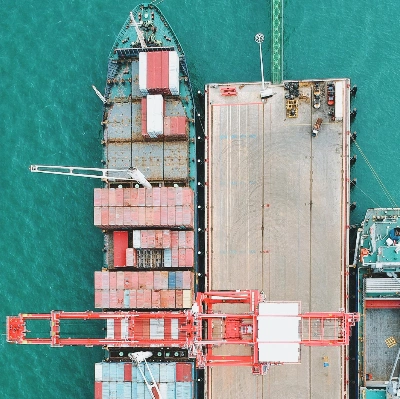
Types of Shipping Containers
Explore the main shipping container types used in global trade, from dry containers and reefers to flat racks, open tops, and specialized units.
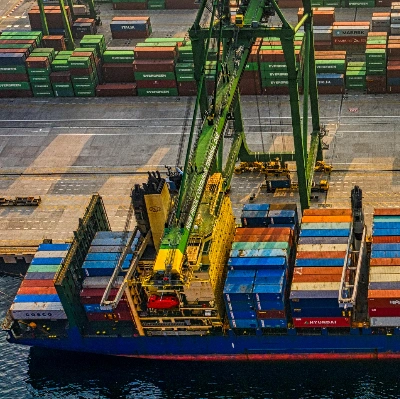
Container Sizes and Dimensions
Understand standard container sizes, internal dimensions, and capacity differences between 20ft, 40ft, and high cube shipping containers.
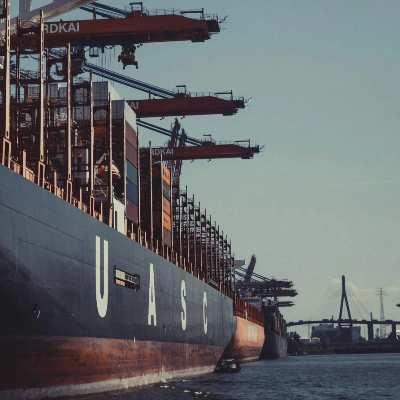
How Container Shipping Works
Learn how international container shipping moves from origin to destination, including booking, loading, ocean transit, customs, and final delivery.

Global Shipping Routes
Discover the major shipping routes that connect ports, trade regions, and international container flows across the global freight network.
Explore More
Container Costs and Pricing
See what affects container shipping costs, from freight rates and fuel pressure to port charges, inland transport, and equipment availability.
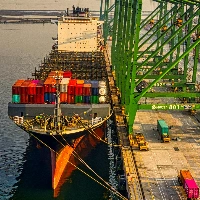
Port Operations and Cargo Handling
Find out how ports handle containers through terminals, cranes, yard systems, cargo flow, and operational processes that affect shipping efficiency.
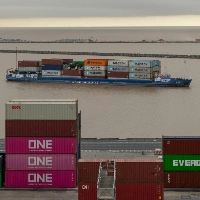
Shipping Documents and Customs
Review the key shipping documents and customs steps used in container freight, including bills of lading, invoices, packing lists, and clearance procedures.
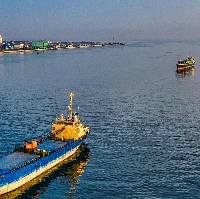
Shipping Risks and Delays
Examine the common risks behind shipping delays, including port congestion, customs holds, documentation errors, weather disruption, and supply chain pressure.
4chanarchive
International Shipping
Read clear, structured insights on container logistics, cargo flow, documentation, route efficiency, and the commercial forces influencing international trade.