International Shipping Containers Explained with Clarity and Depth
A trusted editorial resource for container logistics, freight systems, port operations, and global shipping trends. Explore practical insights on container types, global routes, port activity, supply chain pressure, and the operational realities shaping international cargo movement.
How International Container Shipping Works from Origin to Destination

By: Adam Heath
Adam Heath covers international shipping containers with a focus on freight systems, port activity, trade routes, and operational shipping realities. His writing on 4chanarchive.org is built to make complex container logistics easier to understand, without watering down the details.
International container shipping looks straightforward from a distance. Cargo is packed, loaded onto a vessel, moved across the ocean, and delivered at destination. But the real process is far more structured than that. Every shipment moves through a chain of planning, documentation, handling, coordination, and compliance steps that begin long before a container reaches the port.
This is why many misunderstand container shipping. They see the vessel movement, but not the operational system behind it. In reality, international container shipping depends on synchronized activity across exporters, importers, freight forwarders, shipping lines, depots, container terminals, trucking networks, customs authorities, warehouses, and final delivery operators.
Understanding how international container shipping works means understanding that it is not one event. It is a sequence. Each stage affects timing, cost, cargo integrity, customs clearance, and the wider reliability of the shipment.
In this guide, we break the process down from origin to destination and explain how containers move through the real freight chain. If you are building a broader understanding of international shipping containers, this process is one of the core operational layers that holds the entire system together.
Why the Shipping Process Matters
It is easy to think of container shipping as a booking and transport issue. That view is incomplete.
The process matters because delays, cost overruns, damaged cargo, customs issues, and scheduling problems rarely come from the ocean leg alone. Many problems begin earlier, during booking, packing, document preparation, container pickup, terminal cut-off planning, or cargo handover.
A shipment can fail operationally even before the vessel departs.
That is why understanding the sequence matters. International shipping is not simply about putting goods into a container. It is about moving cargo through a controlled chain where timing, documentation, equipment, and coordination all need to align.
The Core Stages of International Container Shipping
At a high level, the process usually includes:
- shipment planning
- booking cargo space
- container allocation and pickup
- cargo preparation and packing
- inland transport to port
- export terminal handling
- vessel loading and ocean transit
- arrival at destination port
- customs clearance
- container release and final delivery
- unloading and empty container return
These steps may vary depending on cargo type, route, shipment terms, customs requirements, and whether the movement is port-to-port, door-to-port, or door-to-door. But the overall logic remains broadly consistent across international container trade.
Stage 1: Shipment Planning and Route Assessment
Every container shipment starts with planning. Before booking is made, the shipment needs to be assessed properly.
Key planning questions usually include:
- What is the cargo?
- What container type is required?
- What container size is needed?
- What is the total volume and weight?
- Is the cargo general, refrigerated, hazardous, oversized, or sensitive?
- Which origin and destination points are involved?
- Is the movement port-to-port or door-to-door?
- What shipping route is most practical?
- What lead times apply?
- What documents will be needed?
- Are there customs, inspection, or compliance issues to consider?
This early stage is where many later problems are either prevented or created.
If the cargo is poorly classified, packed into the wrong equipment, booked on the wrong timeline, or routed without enough attention to transit realities, the shipment becomes more exposed to cost and disruption from the start.
Stage 2: Booking Cargo Space
Once the shipment details are clear, cargo space is booked with a carrier or through a freight intermediary. This booking secures movement on a vessel service and connects the cargo to a specific shipping schedule.
The booking stage generally includes:
- origin and destination details
- cargo description
- container quantity and type
- estimated cargo ready date
- requested sailing window
- service terms
- rate structure
- cut-off timelines
At this stage, the carrier or logistics provider begins planning for equipment allocation and vessel slot positioning.
Why Booking Accuracy Matters
A weak booking process can create:
- wrong container type assignment
- incorrect space planning
- cut-off failures
- rollovers to later sailings
- documentation mismatches
- pricing confusion
- container availability issues
In other words, booking is not just a reservation. It is the formal start of operational coordination.
Stage 3: Container Allocation and Equipment Pickup
After booking, the next step is usually container allocation. The relevant empty container must be made available for loading, either through a depot, terminal, or designated pickup point.
This stage connects the shipment to actual equipment.
The party handling the shipment must ensure:
- the correct container type is issued
- the container is in usable condition
- the unit is suitable for the cargo
- timing aligns with cargo readiness and port cut-off deadlines
Container Condition Matters
Before packing, the container should be checked for:
- structural damage
- holes or water ingress risk
- door condition
- floor condition
- odors or contamination
- internal cleanliness
- reefer functionality where applicable
A container is part of the cargo environment. If the equipment is compromised, the shipment is already at risk before loading begins.
Stage 4: Cargo Preparation and Packing
This is one of the most critical stages in the process. Once the container is available, cargo needs to be packed correctly.
Packing is not just about fitting goods inside the container. It involves:
- space planning
- weight distribution
- securing cargo
- protecting cargo during motion
- maintaining access where needed
- preventing crushing, shifting, or imbalance
- ensuring the load is suitable for inland and ocean movement
What Good Container Packing Requires
Proper packing depends on:
- cargo shape and dimensions
- total cargo weight
- packaging strength
- pallet layout
- securing methods
- moisture risk
- ventilation or temperature needs
- loading sequence
- unloading practicality at destination
Common Packing Mistakes
Freight problems often begin here. Typical mistakes include:
- uneven weight distribution
- poor lashing or bracing
- overpacking beyond safe limit
- leaving too much movement space
- blocking the doors badly
- using the wrong container type
- ignoring cargo fragility
- failing to plan for transit movement
Packing errors can lead to cargo damage, inspection issues, loading refusal, or instability during transport.
Stage 5: Inland Transport to the Port
Once packed, the container must move from the origin point to the export port. This is usually handled by truck, and in some logistics environments may involve rail or intermodal transfer.
This stage includes:
- pickup scheduling
- chassis or transport equipment coordination
- route planning
- timing against port cut-off
- movement control between loading point and terminal
Why Inland Movement Matters
The ocean leg gets most of the attention, but port access timing is often just as important. A container that misses terminal cut-off may miss the intended vessel, leading to delays, storage issues, rebooking, or additional charges.
The inland leg is where container shipping becomes a real coordination exercise between cargo readiness, transport capacity, and terminal deadlines.
Stage 6: Export Terminal Handling
When the container reaches the port terminal, it enters the export handling phase. At this point, the shipment is no longer just a packed box. It becomes part of the terminal operating system.
Export terminal handling generally involves:
- gate-in procedures
- document verification
- unit identification
- weighing or compliance confirmation where required
- yard positioning
- stack planning
- preparation for vessel loading
Container terminals are built around timing discipline. The container must arrive within the correct window, be linked to the correct booking, and comply with terminal and vessel requirements.
Cut-Off Times Are Critical
Export terminals operate using strict deadlines, often including:
- cargo cut-off
- container gate cut-off
- documentation cut-off
- customs cut-off
- dangerous goods cut-off where relevant
Missing one of these can disrupt the entire shipment sequence.
Stage 7: Export Documentation and Pre-Departure Compliance
While cargo is moving physically, documentation must also move correctly through the system.
Before the vessel sails, the shipment typically requires documents and data such as:
- booking records
- shipping instructions
- commercial invoice
- packing list
- bill of lading details
- customs export declarations
- certificates where needed
- compliance information for regulated cargo
Why Documentation Timing Matters
A shipment can be physically at the port and still fail operationally if documents are incomplete, inaccurate, or late.
Common problems at this stage include:
- mismatch between cargo and documents
- inaccurate consignee or shipper details
- incorrect cargo description
- customs data errors
- missing export declarations
- document submission after cut-off
Container shipping is always both a physical process and a paperwork process.
Stage 8: Vessel Loading
Once the container is accepted into the export system and the vessel is ready, the unit is loaded onto the ship. This stage may look simple, but it depends on advanced stowage planning.
The carrier and terminal must consider:
- vessel slot allocation
- route sequence
- discharge port order
- weight balance
- dangerous goods segregation
- reefer positioning and power needs
- stack planning
- operational efficiency at future port calls
The container is not just lifted randomly onto the vessel. Its location on board is part of a broader logistical strategy.
What Can Go Wrong Here
Potential problems include:
- late container arrival
- terminal congestion
- vessel delay
- rolled cargo
- operational changes in vessel stowage
- missed loading due to cut-off failure
When this happens, a shipment may be pushed to a later sailing, which can affect delivery commitments significantly.
Stage 9: Ocean Transit and Transshipment
Once loaded, the container begins the ocean leg of the shipment. This is the most visible part of international shipping, but it is not always a direct movement from one port to another.
Many shipments pass through transshipment hubs, where containers are transferred from one vessel service to another. This is common in large shipping networks that rely on hub-and-spoke routing.
Ocean Transit Involves More Than Sailing
During the transit phase, several factors may affect the shipment:
- route reliability
- vessel scheduling
- weather conditions
- port congestion
- blank sailings
- transshipment efficiency
- carrier network adjustments
- seasonal pressure on vessel capacity
Why Transshipment Matters
Transshipment can improve network reach, but it can also introduce another layer of dependency. If the connecting vessel is delayed, or if the hub terminal is congested, the cargo may experience additional waiting time.
The shipment is still moving, but not always in a straight line.
Stage 10: Arrival at Destination Port
When the container reaches the destination port, the import side of the process begins. But arrival does not mean immediate release.
The container must first be:
- discharged from the vessel
- identified in the terminal system
- positioned in the yard or import stack
- processed through arrival procedures
- linked to customs and release requirements
At this stage, the container becomes subject to destination-side handling rules, import procedures, local charges, and clearance timelines.
Stage 11: Import Customs Clearance
Customs clearance is often one of the most important stages in the entire process. Cargo cannot usually move freely into the local market until it has satisfied destination customs requirements.
This stage may involve:
- import declarations
- document submission
- valuation review
- tariff classification
- inspection or examination
- duty and tax assessment
- release authorization
Why Customs Can Delay Shipments
Customs delays often result from:
- inaccurate documents
- inconsistent cargo descriptions
- missing permits
- classification errors
- compliance issues
- random inspections
- undeclared or misunderstood cargo details
Even where the container has arrived on time, customs can still become the decisive factor in final delivery timing.
Stage 12: Container Release from the Terminal
Once the cargo has been cleared and relevant terminal, carrier, and customs conditions are satisfied, the container may be released for pickup.
Release usually depends on:
- customs approval
- payment of applicable charges
- document completion
- terminal availability
- transport scheduling
This stage sounds procedural, but it is often where real delivery timing becomes visible. A shipment is not truly close to completion until the unit is physically available for removal from the terminal.
Stage 13: Final Inland Delivery
After release, the container is moved from the destination terminal to the final delivery point. This may be:
- a warehouse
- distribution center
- manufacturing site
- importer facility
- unpacking depot
This inland leg may appear routine, but it still requires:
- transport coordination
- delivery booking
- route planning
- unloading preparation
- site access readiness
Why Final Delivery Still Carries Risk
Problems can still occur at this late stage through:
- limited delivery slots
- warehouse congestion
- driver scheduling issues
- demurrage or detention pressure
- unloading delays
- site inaccessibility
- poor destination planning
International shipping does not end when the vessel arrives. It ends when the cargo is delivered and the container is properly managed after unloading.
Stage 14: Unloading and Empty Container Return
Once the container reaches the consignee or unloading point, the cargo is unpacked. After that, the empty container usually needs to be returned to the designated depot or carrier location within a set timeframe.
This part matters because delayed return can create:
- detention charges
- equipment imbalance problems
- scheduling disruptions
- extra trucking cost
- operational inefficiency
The container itself remains part of a controlled equipment system even after the cargo is removed.
The Role of Key Participants in the Process
International container shipping works because multiple participants handle different parts of the chain.
These may include:
- exporters
- importers
- freight forwarders
- shipping lines
- non-vessel operating intermediaries
- trucking providers
- depots
- terminal operators
- customs brokers
- customs authorities
- warehouse operators
- final delivery teams
Each party plays a role in making sure the shipment moves without losing momentum. When communication breaks down between these parties, delays and cost escalation often follow.
Why Timing Controls the Entire Process
If one principle defines international container shipping, it is timing.
The process depends on:
- cargo ready dates
- booking cut-offs
- terminal gate windows
- documentation deadlines
- vessel schedules
- customs response timing
- container free time
- delivery slots
- empty return deadlines
A container shipment can be technically correct and still fail commercially if it moves too late, clears too slowly, or misses a key cut-off.
That is why shipping is not just about movement. It is about movement inside a timing structure.
What Commonly Causes Disruption
The shipping process works best when every stage connects cleanly. Disruption appears when one stage falls out of alignment with the next.
Common sources of disruption include:
- incomplete booking details
- wrong container type
- equipment shortages
- poor cargo packing
- missed terminal cut-offs
- document errors
- customs holds
- transshipment delay
- port congestion
- final delivery bottlenecks
These are not random events. Most are process failures or network pressure points.
How This Process Connects to the Bigger Container System
Understanding how international container shipping works also helps connect several other major topics in container logistics.
This process links directly to:
- types of shipping containers
- container sizes and dimensions
- global shipping routes
- port operations
- shipping documents
- customs procedures
- freight cost planning
- delays and supply chain risk
In other words, the shipment process is the structural bridge between container equipment, transport infrastructure, and final cargo delivery.
For anyone trying to understand the wider world of international shipping containers, process knowledge is what turns isolated concepts into a complete logistics picture.
Final Thoughts
International container shipping works through sequence, not magic. Cargo moves successfully when planning, booking, packing, transport, terminal handling, documentation, customs, and final delivery all align within a controlled timeline.
From origin to destination, the container passes through multiple systems. It is booked into a vessel network, packed according to cargo needs, moved inland to the port, processed by terminal operations, loaded for sea transit, discharged at destination, cleared through customs, delivered inland, and finally unpacked and returned into the equipment cycle.
That is the real structure behind container freight. The ocean voyage may be the most visible part, but it is only one link in a larger operational chain.
The more clearly that chain is understood, the easier it becomes to interpret delays, manage costs, reduce mistakes, and understand how global container movement actually works.
Editor’s Picks
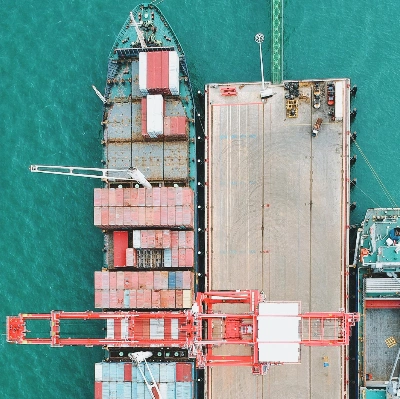
Types of Shipping Containers
Explore the main shipping container types used in global trade, from dry containers and reefers to flat racks, open tops, and specialized units.
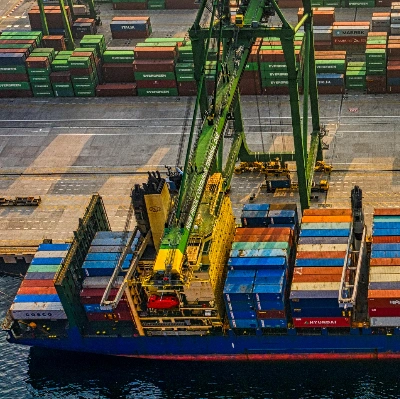
Container Sizes and Dimensions
Understand standard container sizes, internal dimensions, and capacity differences between 20ft, 40ft, and high cube shipping containers.
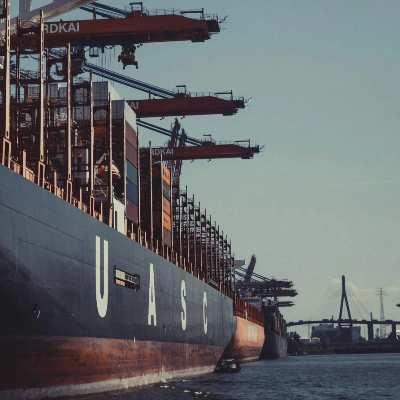
How Container Shipping Works
Learn how international container shipping moves from origin to destination, including booking, loading, ocean transit, customs, and final delivery.
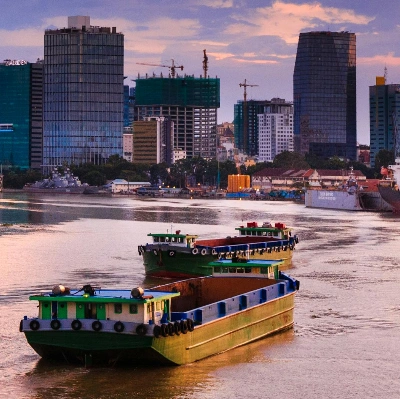
Global Shipping Routes
Discover the major shipping routes that connect ports, trade regions, and international container flows across the global freight network.
Explore More
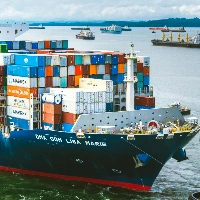
Container Costs and Pricing
See what affects container shipping costs, from freight rates and fuel pressure to port charges, inland transport, and equipment availability.
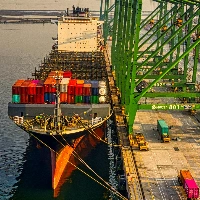
Port Operations and Cargo Handling
Find out how ports handle containers through terminals, cranes, yard systems, cargo flow, and operational processes that affect shipping efficiency.
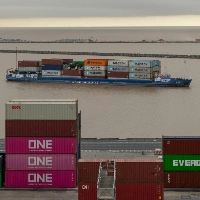
Shipping Documents and Customs
Review the key shipping documents and customs steps used in container freight, including bills of lading, invoices, packing lists, and clearance procedures.
Shipping Risks and Delays
Examine the common risks behind shipping delays, including port congestion, customs holds, documentation errors, weather disruption, and supply chain pressure.
4chanarchive
International Shipping
Read clear, structured insights on container logistics, cargo flow, documentation, route efficiency, and the commercial forces influencing international trade.