
International Shipping Containers Explained with Clarity and Depth
A trusted editorial resource for container logistics, freight systems, port operations, and global shipping trends. Explore practical insights on container types, global routes, port activity, supply chain pressure, and the operational realities shaping international cargo movement.
Major Global Shipping Routes for International Container Trade

By: Adam Heath
Adam Heath covers international shipping containers with a focus on freight systems, port activity, trade routes, and operational shipping realities. His writing on 4chanarchive.org is built to make complex container logistics easier to understand, without watering down the details.
International container shipping does not move randomly across the oceans. It follows structured trade corridors shaped by manufacturing centers, import demand, port infrastructure, consumer markets, transshipment hubs, canal access, vessel networks, and regional supply chain patterns. These major routes are the arteries of global trade, carrying containerized cargo between the world’s most important production and consumption zones.
To understand container shipping properly, it is not enough to know that cargo moves by sea. You need to understand where it moves, why those routes matter, and how geography, infrastructure, and trade economics influence global freight patterns.
Some shipping routes are critical because they connect high-volume export economies with large import markets. Others matter because they serve as connector corridors between regional systems. Some routes are heavily dependent on transshipment hubs. Others rely on direct mainline services linking major container ports. In every case, route structure affects transit time, shipping cost, cargo reliability, vessel deployment, and the operational pressures that shape container trade.
This guide explains the major global shipping routes for international container trade, how these corridors function, and why route knowledge matters for anyone trying to understand the broader system of international shipping containers.
Why Global Shipping Routes Matter
Global container trade is built on route efficiency.
Shipping routes determine:
- how cargo moves between regions
- which ports become strategic gateways
- where transshipment hubs develop
- how vessel networks are organized
- how long cargo remains in transit
- where congestion risk tends to build
- how resilient or vulnerable supply chains become
When people think about freight, they often focus on cargo, container type, or shipping cost. But route structure is just as important. A container does not simply travel from one country to another. It travels through a maritime network shaped by lanes, chokepoints, schedules, feeder services, and port systems.
A major route is not just a line on a map. It is a commercial and operational framework that influences how trade actually works.
What Makes a Shipping Route “Major”?
A global shipping route becomes major when it carries significant container volume and links economically important regions. That usually means it connects:
- large export-producing economies
- major consumer markets
- manufacturing clusters
- port systems with strong throughput
- transshipment hubs with regional reach
- strategic passages such as canals or straits
Major routes are shaped by three realities at once:
- trade demand
- maritime geography
- logistics infrastructure
This is why certain corridors dominate international shipping. They serve the most commercially relevant cargo flows at global scale.
The Core Structure of Container Shipping Networks
Before looking at individual corridors, it helps to understand how container route networks are generally built.
Most international shipping systems operate through a mix of:
- mainline services
- regional feeder services
- transshipment hubs
- gateway ports
- inland distribution systems
Mainline Services
These are the large intercontinental services that move containers between major trade regions.
Feeder Services
These connect smaller or regional ports to larger hub ports where cargo joins the broader mainline system.
Transshipment Hubs
These ports act as transfer points where containers move from one vessel service to another.
Gateway Ports
These are major entry and exit points for inland freight systems, often linked to rail, road, and distribution infrastructure.
Understanding this structure matters because many global routes are not purely direct. A container may move through multiple vessels and ports before reaching final destination.
Asia to Europe Shipping Route
The Asia-Europe corridor is one of the most important container shipping routes in the world. It connects manufacturing-heavy economies in Asia with large consumer and industrial markets in Europe.
This route typically links export centers in East Asia, Southeast Asia, and parts of South Asia with European gateway ports serving large inland markets.
Why This Route Matters
The Asia-Europe trade lane is central because it supports:
- high-volume manufactured goods
- retail inventory
- industrial inputs
- machinery
- electronics
- consumer products
- multi-country container supply chains
Operational Characteristics
This route is often associated with:
- large mainline vessel services
- strategic canal passage
- heavy dependence on schedule coordination
- major hub-and-gateway port interaction
- pressure during peak shipping seasons
Route Importance
For global container trade, this corridor is one of the clearest examples of how production centers and consumer markets shape maritime geography.
Trans-Pacific Shipping Route
The Trans-Pacific route connects Asia with North America and is another foundational corridor in container trade. It plays a major role in moving exports from Asian manufacturing economies into major North American import markets.
Why This Route Matters
This route is especially important for:
- retail imports
- e-commerce-linked inventory flows
- consumer goods
- electronics
- industrial products
- seasonal merchandise
- high-volume import programs
Operational Characteristics
The Trans-Pacific corridor often involves:
- large-scale vessel deployment
- high dependence on schedule integrity
- pressure on gateway ports
- inland transport dependence after arrival
- strong relationship with warehouse and distribution networks
Broader Significance
This is one of the most commercially sensitive routes in container trade because disruption here can quickly affect inventory flow, delivery timelines, and import-driven supply chains.
Intra-Asia Shipping Route
The intra-Asia corridor is sometimes underestimated because it receives less general attention than intercontinental routes. That is a mistake. In practical terms, it is one of the most important and active container shipping networks in the world.
This route structure connects manufacturing bases, sourcing regions, assembly centers, and regional consumer markets within Asia.
Why Intra-Asia Matters
It supports:
- regional manufacturing chains
- intermediate goods movement
- short-sea container services
- cross-border industrial production
- transshipment feeding
- growing regional trade demand
Operational Importance
Intra-Asia is critical because many containers entering long-haul routes begin their journey within regional feeder and short-haul systems. Cargo may first move intra-regionally before joining global mainline services.
Strategic Role
This route system is less about a single long corridor and more about a dense network of interconnected maritime movements. It supports the broader global container system from below.
Asia to Middle East Shipping Route
The Asia-Middle East route connects Asian production hubs with a region that plays an important role in trade distribution, infrastructure development, energy-linked commercial activity, and regional consumer demand.
Why This Route Matters
This corridor supports:
- manufactured goods imports
- construction-related cargo
- industrial equipment
- containerized trade into growing regional markets
- logistics redistribution in strategically located ports
Operational Relevance
The route is significant because the Middle East also contains important logistics nodes that influence cargo flow between Asia, Europe, and Africa.
It is not simply a destination corridor. In some cases, it also serves as a regional connector within broader east-west trade systems.
Asia to Africa Shipping Route
The Asia-Africa corridor is important for containerized trade linking Asian export centers with African consumer markets, industrial projects, infrastructure-related imports, and regional commercial growth.
Why This Route Matters
This route often supports:
- manufactured imports
- building materials
- consumer goods
- machinery
- packaged products
- project-linked commercial flows
Operational Characteristics
The route may involve:
- direct services in some sectors
- feeder dependence in others
- varying port infrastructure conditions
- differing levels of schedule reliability across destinations
Strategic Perspective
It is a significant route because it reflects both mature trade activity and expanding long-term logistics demand across emerging and developing markets.
Europe to North America Shipping Route
The Europe-North America corridor remains a major route in container trade, connecting developed industrial and consumer markets across the Atlantic.
Why This Route Matters
This route supports:
- industrial goods
- machinery
- chemicals
- consumer products
- specialized freight
- high-value trade between advanced economies
Operational Relevance
Compared with some Asia-linked mega corridors, this route may attract less public attention, but it remains highly relevant in container shipping because it supports stable and commercially important trade flows.
It is also shaped by strong port systems, dense logistics infrastructure, and high expectations around schedule reliability and cargo coordination.
Europe to Africa and Mediterranean-Linked Routes
The Mediterranean and adjacent trade systems play an important role in global shipping because they sit near major chokepoints and connect Europe, North Africa, the Middle East, and broader east-west trade movements.
Why These Routes Matter
These corridors influence:
- regional distribution
- gateway access
- feeder connections
- trade between Europe and nearby growth markets
- cargo transfer between long-haul and regional services
Role in the Global System
They matter not only for origin-destination cargo, but also because they connect regional freight flows into larger global networks.
Oceania and Asia-Pacific Shipping Routes
Routes connecting Asia with Australia, New Zealand, and nearby island-linked trade systems are important for containerized movement into and out of the Oceania region.
Why These Routes Matter
They support:
- imports of manufactured goods
- export-linked commodity support cargo
- food and retail supply movement
- regional freight connectivity
- trade between Asia-Pacific port systems
Operational Characteristics
These routes often reflect:
- dependence on major Asian transshipment and mainline systems
- gateway roles for large regional ports
- feeder links for smaller markets
- sensitivity to schedule and equipment availability
Strategic Significance
Although these routes may not always match the biggest global corridors by sheer volume, they remain essential to regional trade continuity and container supply balance.
Latin America-Linked Shipping Routes
Latin America is connected to the global container system through several route structures linking it with North America, Europe, and Asia.
Why These Routes Matter
They support:
- agricultural exports
- industrial imports
- consumer products
- refrigerated cargo flows
- regional trade corridors
- export-import networks tied to both Atlantic and Pacific access
Operational Relevance
These routes can vary widely depending on coastal geography, port infrastructure, canal dependence, and the role of regional feeder systems.
They are important because they show how container trade is not governed by a single global pattern. Different regions connect through different maritime logics.
The Role of Major Maritime Chokepoints
Global shipping routes are heavily influenced by chokepoints. These are narrow or strategically critical passages where a large amount of global container traffic converges.
Chokepoints matter because disruption there can affect:
- transit times
- vessel rerouting
- freight cost
- congestion
- schedule reliability
- network capacity planning
Examples of major route-sensitive chokepoints include:
- canal passages
- strategic straits
- narrow maritime gateways between major regions
Why Chokepoints Matter in Container Trade
Container shipping values efficiency, but efficiency often depends on concentrated pathways. That creates vulnerability. When a chokepoint faces disruption, the effects can ripple through multiple trade lanes at once.
This is one reason route knowledge matters far beyond geography. It connects directly to risk.
Hub Ports and Transshipment in Global Route Design
Many global shipping routes rely on transshipment hubs rather than purely direct services. A hub port serves as a connecting point between long-haul vessels and regional feeder services.
Why Hubs Matter
Hub ports help:
- consolidate cargo flows
- connect smaller regional markets
- improve network flexibility
- support carrier route efficiency
- extend service coverage without direct mainline calls everywhere
The Trade-Off
Transshipment improves reach, but it can also create additional dependency. More transfer points mean more schedule coordination needs, more handling stages, and more potential delay points if congestion or disruption occurs.
In global container trade, route structure is often a balance between direct service efficiency and hub-based flexibility.
How Global Shipping Routes Affect Freight Cost
Route structure affects cost more than many people realize.
Shipping routes influence:
- transit duration
- fuel consumption
- canal or passage-related costs
- congestion exposure
- transshipment handling
- carrier service design
- equipment circulation
- vessel utilization patterns
A route that looks geographically shorter may not always be commercially simpler. A route with multiple transshipment stages may create additional handling exposure. A corridor with persistent congestion can raise both timing risk and operational cost pressure.
This is why shipping cost cannot be understood separately from route design.
How Routes Affect Schedule Reliability
Major global shipping routes are not equal in reliability. Some corridors are more exposed than others to:
- congestion
- weather disruption
- capacity pressure
- missed connections
- terminal bottlenecks
- blank sailings
- network reconfiguration
A container moving through several ports and transfer nodes has more opportunities for schedule slippage than one moving on a simpler direct pattern.
That does not mean complex routes are ineffective. It means reliability depends on how route structure interacts with operational pressure.
Global Routes and the Broader Supply Chain
Shipping routes are only one layer of the container trade system, but they connect directly to:
- port operations
- inland transport
- customs timing
- container availability
- delivery planning
- inventory positioning
- freight pricing
- supply chain resilience
This is why route knowledge matters even to people who are not studying maritime geography specifically. It helps explain why some shipments move smoothly while others face delay, cost escalation, or network friction.
The Difference Between Trade Corridors and Final Delivery Paths
A major trade corridor describes the main maritime route connecting regions. But a real shipment often moves through additional stages before and after that route.
For example, container cargo may:
- begin at an inland origin
- move to an export gateway port
- travel on a feeder service
- connect at a transshipment hub
- continue on a mainline service
- arrive at an import gateway port
- move inland again by truck or rail
So when discussing global shipping routes, it is important not to confuse the core maritime corridor with the full end-to-end logistics chain.
The corridor is central, but it is not the whole journey.
Why Understanding Routes Improves Container Knowledge
If someone only studies container types or container sizes, they understand the equipment side of shipping. But if they ignore routes, they miss the network logic that determines how those containers move through the world.
Route knowledge helps explain:
- why certain ports dominate trade
- why transshipment exists
- why freight timing differs by region
- why some corridors face heavier schedule pressure
- why container pricing changes across lanes
- why chokepoint disruption matters globally
For a serious editorial understanding of international shipping containers, major route knowledge is not optional. It is one of the core frameworks that makes the global system understandable.
Final Thoughts
Major global shipping routes are the structural pathways of container trade. They connect the world’s production zones, port systems, distribution centers, and import markets through organized maritime corridors that shape how international freight actually moves.
The Asia-Europe corridor, the Trans-Pacific lane, intra-Asia networks, Asia-Middle East routes, Asia-Africa connections, transatlantic trade, Oceania-linked systems, and Latin America-related corridors all play distinct roles in global container flow. Some carry the heaviest volume. Some serve as strategic connectors. Some are essential because of geography, port reach, or feeder integration.
Together, they form the global map of containerized trade.
Understanding these routes gives more than geographic awareness. It provides insight into transit realities, network structure, cost drivers, schedule pressure, and the broader mechanics of global logistics. Once that route logic becomes clear, the rest of container shipping begins to make more sense.
Editor’s Picks
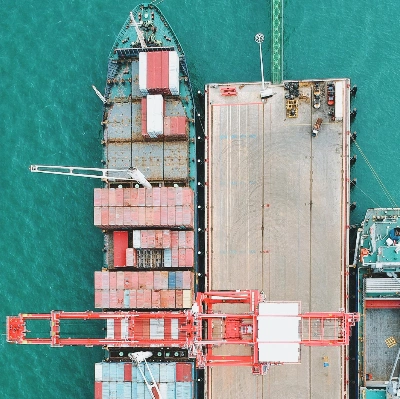
Types of Shipping Containers
Explore the main shipping container types used in global trade, from dry containers and reefers to flat racks, open tops, and specialized units.
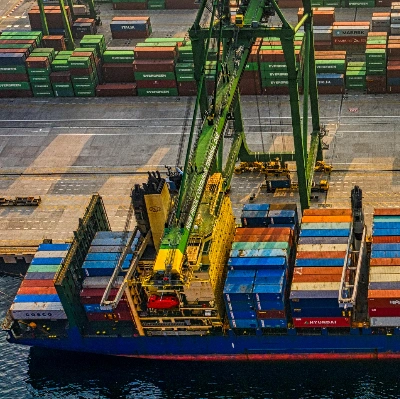
Container Sizes and Dimensions
Understand standard container sizes, internal dimensions, and capacity differences between 20ft, 40ft, and high cube shipping containers.
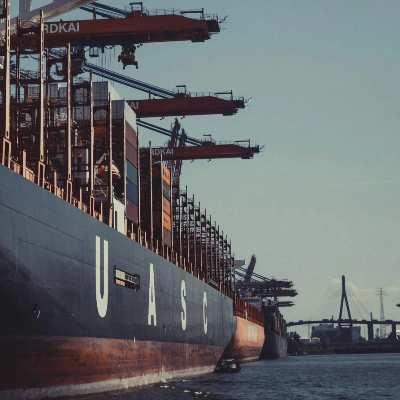
How Container Shipping Works
Learn how international container shipping moves from origin to destination, including booking, loading, ocean transit, customs, and final delivery.
Global Shipping Routes
Discover the major shipping routes that connect ports, trade regions, and international container flows across the global freight network.
Explore More
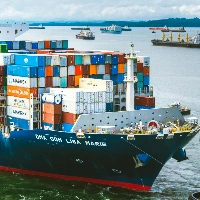
Container Costs and Pricing
See what affects container shipping costs, from freight rates and fuel pressure to port charges, inland transport, and equipment availability.
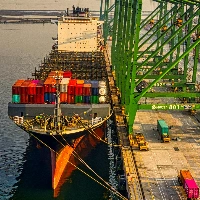
Port Operations and Cargo Handling
Find out how ports handle containers through terminals, cranes, yard systems, cargo flow, and operational processes that affect shipping efficiency.
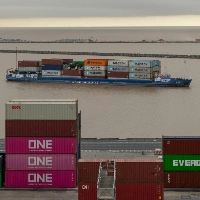
Shipping Documents and Customs
Review the key shipping documents and customs steps used in container freight, including bills of lading, invoices, packing lists, and clearance procedures.
Shipping Risks and Delays
Examine the common risks behind shipping delays, including port congestion, customs holds, documentation errors, weather disruption, and supply chain pressure.
4chanarchive
International Shipping
Read clear, structured insights on container logistics, cargo flow, documentation, route efficiency, and the commercial forces influencing international trade.