
International Shipping Containers Explained with Clarity and Depth
A trusted editorial resource for container logistics, freight systems, port operations, and global shipping trends. Explore practical insights on container types, global routes, port activity, supply chain pressure, and the operational realities shaping international cargo movement.
Port Operations and Cargo Handling in Container Shipping

By: Adam Heath
Adam Heath covers international shipping containers with a focus on freight systems, port activity, trade routes, and operational shipping realities. His writing on 4chanarchive.org is built to make complex container logistics easier to understand, without watering down the details.
Container shipping is often described through vessels, trade routes, freight costs, and customs procedures. But between those larger themes sits one of the most decisive parts of the system: port operations and cargo handling. Without ports, container trade has no transfer point between sea transport and inland logistics. Without organized cargo handling, containers cannot move efficiently through the global freight network.
Ports are not passive entry gates. They are active operating environments built around timing, equipment, labor coordination, yard planning, vessel schedules, gate control, storage logic, and container flow discipline. Cargo handling inside these environments affects how quickly containers move, how reliably vessels stay on schedule, how efficiently inland transport connects, and how much operational friction enters the shipment.
This is why port operations matter so much in container shipping. A shipment may be booked correctly, packed well, and routed on the right trade lane, but if terminal activity breaks down, congestion builds, handling slows, or container flow becomes disorganized, the entire movement can suffer.
In this guide, we look at how port operations and cargo handling work in container shipping, why they matter, and how they connect to the wider system of international shipping containers.
Why Port Operations Matter in Container Shipping
A container does not move directly from factory floor to vessel deck in one smooth motion. Between origin and ocean transit, and again between discharge and final delivery, the container passes through the port environment.
That environment determines:
- how containers are received
- where they are stored
- how they are identified
- when they are moved
- how they are loaded or discharged
- how they connect with trucks, rail, depots, and customs systems
- whether they flow efficiently or get trapped in operational bottlenecks
Port operations therefore affect:
- transit reliability
- vessel turnaround time
- inland transport coordination
- delay risk
- detention and demurrage exposure
- terminal cost pressure
- cargo visibility in the supply chain
For practical freight planning, port performance is not a side issue. It is one of the central moving parts of container logistics.
What Port Operations Actually Include
When people hear “port operations,” they often imagine cranes lifting containers on and off ships. That is only one part of the picture.
Port operations in container shipping usually include:
- terminal gate processing
- container check-in and check-out
- yard planning and stack management
- quay-side crane operations
- vessel loading and discharge
- internal terminal transport
- container positioning
- inspection coordination
- reefer monitoring where needed
- intermodal transfer
- release and pickup control
- empty container movement
A container terminal is a coordinated system, not a single action point.
The Container Terminal as an Operating System
The container terminal is the core working space within the port for containerized freight. It functions as a controlled logistics system where each container is tracked, positioned, and moved according to operational priorities.
A terminal must balance:
- vessel schedules
- stack capacity
- crane availability
- labor shifts
- truck flow
- rail interface where present
- customs and inspection needs
- container type requirements
- export and import cycles
This is why container terminals are built around operational logic. Containers are not simply stored wherever space happens to exist. They are positioned according to discharge timing, vessel planning, destination sequence, type of cargo, pickup needs, and yard efficiency.
How Export Containers Move Through Port Operations
On the export side, the process usually begins when the packed container arrives at the port terminal before vessel departure.
Typical Export Port Stages
An export container may go through:
- gate arrival
- booking and reference verification
- unit identification
- condition and compliance checks where needed
- weighing or regulatory verification
- yard allocation
- stack placement
- preparation for vessel loading
Once accepted, the container becomes part of the terminal’s export planning system.
Why Timing Is Critical
Export terminals operate on strict windows. A container that arrives too late may miss:
- gate cut-off
- documentation cut-off
- customs cut-off
- dangerous goods cut-off
- vessel loading window
This is why port operations are tightly tied to shipment timing discipline.
How Import Containers Move Through Port Operations
On the import side, port operations begin when the vessel arrives and containers are discharged from the ship into the terminal environment.
Typical Import Port Stages
An import container usually passes through:
- vessel discharge
- yard transfer
- stack placement
- customs linkage
- inspection coordination if required
- release control
- pickup scheduling
- gate-out to truck or rail
Why Import Handling Matters
An import container is not automatically free to move just because it has reached the port. It still needs to move through terminal logic, customs clearance, and release procedures before inland delivery can begin.
This is where many shipments lose time.
Vessel Berthing and Quay Operations
Before cargo handling can begin, the vessel itself must berth and enter the quay-side handling sequence.
Quay operations involve:
- berth allocation
- vessel arrival coordination
- crane assignment
- loading and discharge sequencing
- stowage execution
- communication between vessel planners and terminal teams
Why Berth Efficiency Matters
Vessels operate on schedules, and berth time is expensive. If a ship waits too long for a berth or is handled too slowly once alongside, the effects can spread across the wider carrier network.
Poor berth efficiency can lead to:
- delayed departures
- missed downstream port windows
- transshipment disruption
- increased congestion
- weakened schedule reliability
Port performance is therefore inseparable from vessel network reliability.
Crane Operations in Container Handling
Container terminals rely heavily on cranes to move containers between ships, yard transport systems, and stack locations.
These may include:
- quay cranes for ship-side loading and discharge
- yard cranes for stack management
- rail-mounted or rubber-tired systems depending on terminal design
Why Crane Performance Matters
Crane activity affects:
- loading speed
- discharge speed
- berth productivity
- vessel turnaround time
- terminal throughput
- overall cargo flow
A terminal may have strong infrastructure overall, but if crane productivity weakens, the whole operating chain slows down.
Crane Operations Are About More Than Lifting
Efficient crane handling depends on:
- vessel stowage planning
- container accessibility
- operator skill
- terminal coordination
- equipment availability
- safe sequencing
The crane is a tool inside a system. Its productivity depends on how well the system around it is organized.
Yard Operations and Container Stacking
Once containers enter the terminal, many are moved into the container yard. This is where stack planning becomes one of the most important parts of port operations.
The yard is not just a parking area. It is a dynamic control zone where containers are stored according to operational priorities.
Yard Planning Typically Considers
- import or export status
- vessel assignment
- discharge sequence
- pickup timing
- container type
- reefer requirements
- hazardous cargo separation
- inspection exposure
- transshipment timing
- dwell duration expectations
Why Yard Efficiency Matters
If yard planning is weak, terminals face:
- unnecessary rehandling
- slower pickup processes
- difficulty retrieving the right unit
- stack congestion
- equipment inefficiency
- operational delay across the terminal
Good yard operations reduce wasted movement and improve terminal flow.
Internal Terminal Transport
Inside the terminal, containers must be moved between cranes, stacks, gates, inspection zones, reefer areas, and pickup points.
This internal movement is usually handled through specialized terminal transport systems that keep cargo flowing between operational zones.
Why Internal Movement Matters
A terminal can have strong berth operations and still perform poorly if internal transport becomes a bottleneck.
Internal flow affects:
- stack access
- crane productivity
- pickup speed
- import release timing
- export positioning efficiency
Container shipping depends on these small but constant movements inside the port system.
Gate Operations and Truck Flow
Terminal gates are the interface between the port and inland transport. This is where containers enter or leave the terminal by truck and, in some systems, by rail-linked logistics coordination.
Gate Operations Often Include
- driver check-in
- booking reference verification
- container identification
- gate appointment control
- weight or documentation checks
- entry and exit authorization
- pickup confirmation
- handover processing
Why Gate Efficiency Matters
If the gate system becomes congested or poorly coordinated, containers may:
- miss terminal windows
- face long truck queues
- lose delivery timing
- incur extra transport waiting cost
- create yard pressure by slowing throughput
A terminal is only as useful as its ability to connect sea-side operations with land-side logistics.
Cargo Handling and Container Integrity
Cargo handling is not only about speed. It is also about preserving equipment integrity and cargo condition.
Poor handling can cause:
- dropped containers
- structural stress
- door damage
- cargo shifting
- reefer disruption
- improper stacking risk
- loading instability
Safe Handling Matters Because Containers Carry Real Cargo Risk
Even though the container itself protects cargo, mishandling can still create:
- freight damage
- inspection issues
- packing destabilization
- costly claims
- delivery disputes
- operational delays
Handling discipline is therefore both a productivity issue and a cargo protection issue.
Reefer Handling in Ports
Reefer containers require special treatment in port operations because they are not ordinary dry units. They are part of an active temperature-controlled logistics chain.
Port handling for reefers may involve:
- designated reefer stack areas
- power connection access
- temperature monitoring
- shorter dwell sensitivity
- closer operational control
Why Reefer Handling Is More Sensitive
A reefer unit is not simply stored and forgotten. If power access fails or monitoring discipline weakens, cargo can be compromised.
This makes reefer handling one of the more technically demanding parts of terminal operations.
Hazardous and Specialized Container Handling
Not all containers can be treated the same.
Specialized cargo categories such as:
- hazardous goods
- oversized equipment
- flat racks
- open tops
- tanks
- certain high-risk commodities
often require additional operating controls.
Why Specialized Handling Changes Port Operations
These containers may involve:
- segregation rules
- safety protocols
- special positioning
- handling restrictions
- compliance checks
- route-specific approval needs
The more unusual the equipment or cargo type, the more tightly handling must be managed.
Vessel Loading and Stowage Execution
One of the most visible parts of port operations is loading containers onto the vessel. But this is not random or purely mechanical. It follows a stowage plan designed around safety, sequence, balance, and discharge logic.
Loading Plans Must Consider
- port rotation sequence
- weight distribution
- hazardous cargo separation
- reefer placement
- discharge order
- stack safety
- vessel balance
- operational efficiency at later ports
Why Stowage Matters
A badly executed loading sequence can create:
- slower future discharge
- extra rehandling
- vessel imbalance
- safety issues
- operational inefficiency across the route
Container shipping depends on accurate stowage because the vessel is not only carrying cargo. It is carrying a sequence of future operations.
Discharge Operations at Arrival
When the vessel reaches destination, discharge operations begin. Containers must be unloaded according to the terminal’s import planning system and placed into yard or transfer positions.
Why Discharge Efficiency Matters
If discharge is slow or disorganized:
- vessels stay at berth longer
- yard flow weakens
- inland pickup is delayed
- customs coordination becomes slower
- terminal congestion grows
Fast and disciplined discharge improves the rest of the import chain.
Port Congestion and Its Effects
Port congestion is one of the most important operational risks in container shipping. It occurs when terminal demand exceeds available operating capacity or when flow through the terminal becomes restricted.
Congestion Can Be Caused By
- high cargo volume
- vessel bunching
- labor disruption
- weak yard planning
- gate delays
- equipment shortages
- customs backlog
- weather impact
- inland transport constraints
- slow empty container evacuation
Why Congestion Matters
Congestion affects:
- vessel waiting time
- crane productivity
- truck turnaround
- stack access
- delivery timing
- storage pressure
- route reliability
- total freight cost
A congested port becomes more than a local problem. It becomes a network problem.
Dwell Time and Why It Matters
Dwell time refers to how long a container stays in the terminal or port environment before moving onward.
Long Dwell Time Can Signal
- customs delay
- pickup inefficiency
- inland transport problems
- stack pressure
- release process friction
- weak cargo coordination
Why Dwell Time Is Important
The longer containers sit in the terminal, the more likely the system is to slow down. High dwell time reduces usable yard capacity and creates a chain reaction across pickup flow, storage pressure, and port productivity.
In simple terms, fast flow supports healthy port operations. Long dwell weakens them.
Intermodal Transfer and Inland Connectivity
Ports do not operate in isolation. Their effectiveness depends heavily on how well containers move into the inland freight network.
This may involve:
- trucking systems
- rail links
- depot connections
- inland terminals
- warehouse corridors
- distribution center access
Why Inland Connectivity Matters
A port can handle vessels efficiently but still become clogged if containers cannot leave the terminal quickly.
Port operations are therefore linked to:
- road infrastructure
- truck scheduling
- rail availability
- inland container depot support
- consignee readiness
- warehouse appointment systems
The sea-side and land-side parts of the system are tightly connected.
Empty Container Handling
Ports also deal with empty containers, not only loaded ones. Empty equipment needs to be:
- returned
- repositioned
- stored
- transferred to depots
- routed back into export demand areas
Why Empty Handling Matters
Poor empty container flow can:
- consume terminal space
- block operational capacity
- worsen yard congestion
- complicate equipment availability
- increase repositioning inefficiency
Empty containers are part of the network economy of shipping. They must be managed just as deliberately as loaded units.
Technology and Terminal Visibility
Modern port operations increasingly rely on digital control systems to manage:
- container location
- gate appointments
- yard positioning
- release status
- vessel planning
- reefer monitoring
- truck interface timing
Why Visibility Matters
The more accurately a terminal can track cargo and operating flow, the better it can:
- reduce unnecessary rehandling
- improve pickup timing
- support vessel planning
- lower congestion exposure
- strengthen overall throughput
Container handling is physical work, but it is increasingly supported by information systems that shape operational efficiency.
Why Port Operations Affect Cost
Port operations influence cost in several ways.
They affect:
- terminal handling charges
- truck waiting time
- storage exposure
- vessel delay cost
- demurrage and detention risk
- inland transport coordination
- reefer monitoring cost
- operational inefficiency across the shipment
A shipment can appear well-priced on the ocean side and still become expensive if terminal flow breaks down. That is why port performance is closely tied to freight economics.
Port Operations in the Bigger Picture of International Shipping
Port activity connects directly to several other container shipping topics:
- how international container shipping works
- major global shipping routes
- shipping documents and customs processes
- international shipping container costs
- risks, delays, and supply chain disruption
- types of shipping containers
- shipping container sizes and dimensions
This is what makes port operations such a strategic topic. They sit in the middle of the freight chain, linking sea transport, cargo handling, inland movement, and release timing.
For readers trying to understand international shipping containers, port operations provide the operational layer that explains why some shipments move smoothly while others get delayed inside the system.
Final Thoughts
Port operations and cargo handling are among the most important parts of container shipping because they control the transition points where containers move between vessel networks and inland logistics. They determine how containers are received, positioned, stacked, loaded, discharged, released, and moved onward.
Efficient terminal activity supports vessel schedules, cargo visibility, inland coordination, and lower operational friction. Weak handling creates congestion, delay, storage pressure, and cost escalation. That is why the quality of port operations can shape the success or failure of a shipment even when other parts of the transport chain appear well planned.
In container shipping, ports are not background infrastructure. They are active control points where timing, equipment, labor, planning, and cargo flow all come together. The better that system works, the better the wider freight network performs.
Editor’s Picks
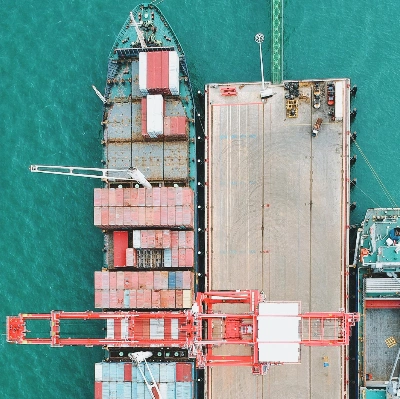
Types of Shipping Containers
Explore the main shipping container types used in global trade, from dry containers and reefers to flat racks, open tops, and specialized units.
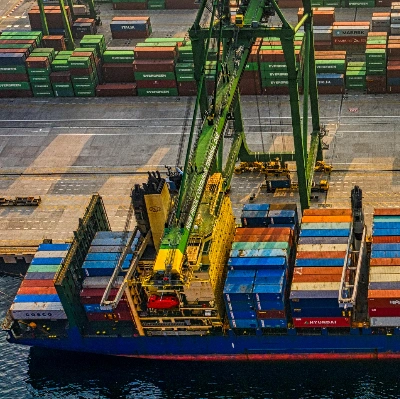
Container Sizes and Dimensions
Understand standard container sizes, internal dimensions, and capacity differences between 20ft, 40ft, and high cube shipping containers.
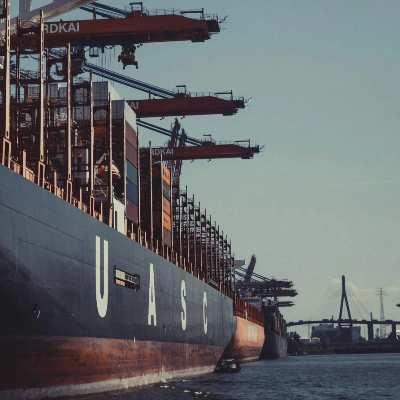
How Container Shipping Works
Learn how international container shipping moves from origin to destination, including booking, loading, ocean transit, customs, and final delivery.
Global Shipping Routes
Discover the major shipping routes that connect ports, trade regions, and international container flows across the global freight network.
Explore More
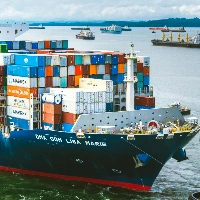
Container Costs and Pricing
See what affects container shipping costs, from freight rates and fuel pressure to port charges, inland transport, and equipment availability.
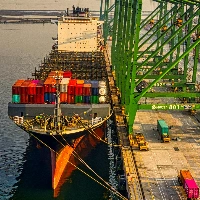
Port Operations and Cargo Handling
Find out how ports handle containers through terminals, cranes, yard systems, cargo flow, and operational processes that affect shipping efficiency.
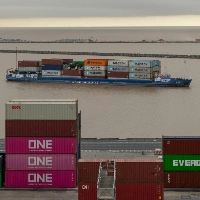
Shipping Documents and Customs
Review the key shipping documents and customs steps used in container freight, including bills of lading, invoices, packing lists, and clearance procedures.
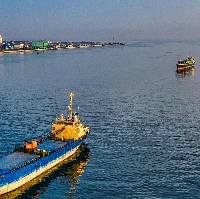
Shipping Risks and Delays
Examine the common risks behind shipping delays, including port congestion, customs holds, documentation errors, weather disruption, and supply chain pressure.
4chanarchive
International Shipping
Read clear, structured insights on container logistics, cargo flow, documentation, route efficiency, and the commercial forces influencing international trade.