
International Shipping Containers Explained with Clarity and Depth
A trusted editorial resource for container logistics, freight systems, port operations, and global shipping trends. Explore practical insights on container types, global routes, port activity, supply chain pressure, and the operational realities shaping international cargo movement.
Container Shipping Risks, Delays, and Supply Chain Disruption

By: Adam Heath
Adam Heath covers international shipping containers with a focus on freight systems, port activity, trade routes, and operational shipping realities. His writing on 4chanarchive.org is built to make complex container logistics easier to understand, without watering down the details.
International container shipping is built on schedules, systems, equipment, documents, terminals, routes, and handovers between multiple parties. When those parts align, cargo moves with reasonable predictability. When they fall out of alignment, disruption begins. That disruption may show up as a minor delay, a missed vessel, a customs hold, a port backlog, a storage problem, or a wider supply chain breakdown that ripples across multiple shipments.
This is one of the most important realities in global freight. Container shipping is efficient, but it is not immune to friction. In fact, it is vulnerable precisely because it depends on coordination across so many moving parts. A container can be ready on time, packed correctly, and booked properly, yet still face delay because the port is congested, the vessel is late, the documents do not align, inland transport is not available, or the destination terminal is under pressure.
That is why understanding container shipping risks, delays, and supply chain disruption matters. These issues are not exceptions sitting outside the freight system. They are built into the operational environment and must be managed as part of the real process of moving cargo from origin to destination.
In this guide, we examine the main sources of risk in container shipping, explain how delays develop, and show how disruption spreads through the wider network of international shipping containers.
Why Container Shipping Is Exposed to Risk
Container shipping looks standardized on the surface. Containers are uniform, vessel networks are scheduled, ports are organized, and freight systems operate with defined procedures. But standardization does not remove exposure. It simply makes the system scalable.
Risk exists because container shipping depends on:
- synchronized timing
- accurate documentation
- equipment availability
- port productivity
- vessel schedule integrity
- customs release timing
- inland transport coordination
- labor stability
- weather resilience
- network balance across multiple regions
If one part of that structure weakens, the effects can spread beyond a single shipment.
This is why shipping risk is rarely just a “transport issue.” It is a systems issue.
The Difference Between Delay and Disruption
Not every delay becomes a full supply chain disruption, but every disruption usually begins with some form of delay.
Delay
A delay is a slowdown within the shipment process. It may affect:
- pickup timing
- terminal gate-in
- vessel departure
- port discharge
- customs clearance
- final delivery
Disruption
A disruption is broader. It affects not only one stage, but the relationship between stages. It may cause:
- container pile-up
- missed connections
- equipment shortages
- schedule instability
- widespread cost escalation
- network imbalance across multiple ports or services
Understanding the difference matters. A delay is often local. A disruption becomes systemic.
Port Congestion
Port congestion is one of the most common and most damaging sources of delay in container shipping. It occurs when container volume, vessel traffic, yard pressure, or inland flow exceed the port’s ability to process cargo efficiently.
What Causes Port Congestion
Port congestion may result from:
- high container volume
- vessel bunching
- weak yard flow
- crane productivity issues
- labor shortages or disruptions
- customs backlog
- poor truck turnaround
- limited storage capacity
- slow empty container evacuation
- weather-related operational pauses
Why Port Congestion Matters
Congestion affects:
- vessel berthing time
- loading and discharge speed
- truck access
- terminal release timing
- container dwell time
- storage pressure
- route reliability
- downstream port schedules
A congested port does not simply slow one shipment. It can slow an entire sequence of vessel services and inland movements.
Vessel Delays and Schedule Slippage
A shipment may be delayed before it even reaches the port if the vessel itself is not operating on time. Vessel schedule reliability is one of the most important variables in container freight.
Why Vessel Delays Happen
Common causes include:
- late departure from previous ports
- congestion at earlier port calls
- slow berth access
- weather conditions
- route changes
- port rotation adjustments
- network recovery measures
- operational inefficiency during loading or discharge
Why Schedule Slippage Matters
When vessels run behind schedule, the effects may include:
- missed transshipment connections
- delayed discharge
- warehouse planning disruption
- inland delivery changes
- increased uncertainty across the shipment chain
Shipping schedules are interconnected. Delay at one point often moves forward into later parts of the route.
Customs Holds and Clearance Delays
A container can arrive physically on time and still remain stuck in the port or terminal because customs clearance has not been completed.
Customs Delay Can Be Caused By
- inaccurate commercial invoice details
- mismatched packing list data
- classification errors
- missing permits
- undeclared cargo issues
- valuation review
- inconsistent consignee information
- inspection selection
- regulatory scrutiny
Why Customs Delays Are Serious
Customs delays affect:
- cargo release timing
- terminal dwell time
- storage charges
- demurrage exposure
- inland delivery scheduling
- inventory availability
- cash flow tied to the shipment
This is why document quality is so closely tied to risk management in container shipping.
Documentation Errors
Documentation problems are one of the most preventable risks in the freight chain, yet they remain common.
Common Documentation Problems
These include:
- vague cargo descriptions
- invoice and packing list mismatch
- incorrect weights
- wrong consignee or notify details
- incorrect bill of lading data
- missing customs support documents
- late filing
- data inconsistency across shipment records
Why Documentation Errors Spread Risk
Bad documentation can trigger:
- customs delay
- container hold
- examination
- release refusal
- rework cost
- terminal storage
- missed delivery timing
This is a clear example of how a paperwork mistake becomes a physical logistics problem.
Container Availability and Equipment Shortages
Container shipping depends on equipment being available in the right place at the right time. That sounds obvious, but global equipment distribution is rarely perfectly balanced.
Why Equipment Shortages Happen
Shortages may occur because of:
- export-heavy regional demand
- slow container return
- congestion trapping empties
- repositioning imbalance
- sudden cargo surges
- carrier network stress
- weak inland evacuation
Why Equipment Availability Matters
A shipment cannot move as planned if:
- the right size is unavailable
- the correct type is unavailable
- reefer units are tight
- specialized equipment is delayed
- empty containers are trapped in congested areas
Equipment imbalance is one of the most overlooked forms of supply chain disruption because it often begins far from the shipment itself.
Inland Transport Bottlenecks
Container shipping does not end at the port gate. Inland transport remains a major source of delay and friction on both origin and destination sides.
Common Inland Bottlenecks
These may include:
- trucking shortages
- chassis shortages
- rail delays
- warehouse congestion
- limited delivery slots
- road restrictions
- depot backlogs
- poor coordination between terminal and inland carriers
Why Inland Bottlenecks Matter
A container may be fully cleared and available for pickup, yet still remain delayed because the inland system cannot absorb it quickly.
This can lead to:
- longer dwell time
- storage risk
- detention pressure
- delivery failure
- warehouse planning disruption
In practical terms, the shipment is only as smooth as its weakest connection to inland logistics.
Transshipment Risk
Many international container shipments do not move on a single direct vessel. They rely on transshipment, where cargo is transferred at an intermediate hub from one service to another.
Why Transshipment Creates Risk
Each transfer point introduces:
- another timing dependency
- another terminal handling stage
- another connection requirement
- another source of schedule slippage
What Can Go Wrong
Transshipment risk can include:
- missed connecting vessel
- hub congestion
- delayed discharge at the transfer port
- tight connection windows
- short-shipped cargo
- route re-sequencing
Direct services have their own risks, but transshipment adds another layer of exposure.
Weather and Environmental Conditions
Container shipping is heavily influenced by weather and sea conditions. Even with modern vessel planning and forecasting, weather remains a real operational factor.
Weather-Related Risk May Include
- storms
- heavy seas
- wind restrictions
- port closures
- reduced crane operation windows
- slower vessel speed
- route deviation
- safety pauses in terminal handling
Why Weather Matters
Weather can affect both:
- ocean transit
- port-side operations
This means its impact is not limited to sailing time. It can also disrupt berthing, discharge, gate activity, and inland pickup.
Labor Disruption
Port productivity and inland freight movement depend heavily on labor stability. Labor disruption is therefore a direct risk factor in container logistics.
Labor Issues Can Affect
- terminal operations
- crane productivity
- gate processing
- truck movement
- rail handling
- warehouse unloading
- inspection timing
Why Labor Disruption Is Serious
Unlike small operational inefficiencies, labor disruption can rapidly create:
- vessel queues
- yard backlogs
- missed cut-offs
- delayed delivery
- carrier schedule damage
- wider network instability
Container shipping remains highly dependent on coordinated human operations, even in increasingly automated systems.
Terminal Dwell Time
Dwell time refers to how long a container remains in the terminal or port environment before moving onward. High dwell is often a warning signal that something in the system is failing or under pressure.
Long Dwell Time May Result From
- customs delay
- pickup failure
- warehouse scheduling problems
- congestion
- slow document release
- inland transport shortage
- cargo availability mismatch
Why Dwell Time Creates Risk
Long dwell time increases exposure to:
- storage charges
- demurrage
- yard congestion
- delayed container turnover
- equipment imbalance
- reduced terminal efficiency
This is how one delayed container can become part of a wider system bottleneck.
Demurrage, Detention, and Storage Pressure
Delay in container shipping often turns directly into cost.
Demurrage
Demurrage usually applies when a container stays too long inside the terminal beyond permitted free time.
Detention
Detention usually applies when a container stays too long outside the terminal under customer control before return.
Storage
Storage charges may apply when cargo or equipment remains in a logistics environment beyond the planned window.
Why These Charges Matter
They translate operational failure into financial pressure.
These charges often arise from:
- customs hold
- missed pickup
- poor delivery coordination
- inland transport delay
- unloading delay
- late empty return
In other words, time is one of the most expensive variables in container freight.
Cargo Damage and Handling Risk
Not all disruption is about timing. Some risk appears through physical damage or handling failure.
Damage Risk Can Be Increased By
- poor packing
- weak lashing
- bad weight distribution
- rough handling
- structural damage to the container
- water ingress
- reefer failure
- unstable stack conditions
Why This Matters
Cargo damage can trigger:
- claim disputes
- inspection delay
- rejection at destination
- replacement cost
- inventory disruption
- commercial loss beyond freight charges alone
A shipment that arrives late is already a problem. A shipment that arrives damaged is often worse.
Reefer Risk and Temperature Control Failure
Reefer containers introduce a more sensitive risk layer because they depend on controlled temperature during the full journey.
Reefer Risk May Include
- power failure
- incorrect temperature setting
- monitoring breakdown
- prolonged dwell without proper support
- handling disruption at reefer yards
- delayed plug-in at terminal
Why Reefer Risk Is More Severe
When reefer cargo fails, the problem is often not merely delay. It may become product spoilage, quality loss, rejection, or total cargo failure.
This is why reefer supply chains are less tolerant of process error than standard dry freight.
Regulatory and Compliance Risk
Some cargo faces added risk because of regulation, classification, or permit requirements.
Compliance Risk May Involve
- hazardous goods rules
- restricted commodity controls
- incorrect permits
- misdeclared goods
- export control issues
- destination import restrictions
- missing certification
Why Regulatory Risk Matters
A shipment can be physically ready and still become commercially blocked because the legal basis for moving it is incomplete or incorrect.
In shipping, compliance failure becomes operational disruption very quickly.
Network Imbalance and Supply Chain Shock
Some disruptions are larger than any single shipment. They arise from system-wide imbalance.
Larger Supply Chain Shock Can Be Driven By
- global demand surges
- trade lane capacity stress
- widespread congestion
- route reconfiguration
- fuel pressure
- geopolitical tension
- regional shutdowns
- sustained labor instability
- equipment imbalance across multiple markets
Why Systemic Disruption Matters
At this level, the issue is no longer one delayed container. The issue becomes:
- unreliable schedules
- reduced equipment access
- higher cost
- longer transit
- harder planning
- weaker delivery confidence across the network
This is what turns logistics pressure into broader supply chain disruption.
Why Risks Tend to Compound
One of the most important realities in container shipping is that risks rarely stay isolated.
A single problem can trigger others.
For example:
- a document error can create a customs hold
- the customs hold can create longer terminal dwell
- longer dwell can trigger storage and demurrage
- delayed pickup can create inland rescheduling
- late empty return can tighten equipment availability
This chain reaction is why freight problems often feel larger than the original cause.
How to Think About Risk More Realistically
A better way to understand container shipping risk is to divide it into three layers.
1. Process Risk
Problems caused by poor planning, documentation, packing, timing, or coordination.
2. Network Risk
Problems caused by vessel schedules, route structure, transshipment, congestion, equipment shortages, or carrier pressure.
3. External Risk
Problems caused by weather, labor disruption, regulation, or wider supply chain shocks.
This framework is useful because it prevents vague thinking. Not all risks are random. Many are predictable if the shipment is viewed through these operational layers.
What Reduces Risk in Container Shipping
Risk cannot be removed completely, but it can be reduced through stronger operational discipline.
That usually means:
- correct container selection
- accurate cargo data
- disciplined documentation
- realistic scheduling
- awareness of port conditions
- understanding of route structure
- timely customs preparation
- tighter inland coordination
- better visibility across handover points
The more a shipment is managed as a connected system, the lower the chance that a small issue will escalate into major disruption.
Risks in the Bigger Picture of International Shipping
Shipping risk connects directly to every other major topic in the container freight system:
- types of shipping containers
- shipping container sizes and dimensions
- how international container shipping works
- major global shipping routes
- international shipping container costs
- port operations and cargo handling
- shipping documents and customs processes
This is what makes risk such an important cluster topic. It sits at the intersection of equipment, process, timing, infrastructure, and cost.
For readers trying to understand international shipping containers, the study of delays and disruption helps explain why the freight system behaves the way it does under pressure.
Final Thoughts
Container shipping risks are not confined to dramatic events. They often begin with ordinary weaknesses in timing, documents, equipment flow, port activity, vessel scheduling, inland transport, or customs handling. Delay is usually not random. It is usually the visible outcome of stress somewhere in the network.
Port congestion slows cargo movement. Vessel delays affect onward schedules. Customs holds trap containers in terminals. Equipment shortages weaken planning. Inland bottlenecks delay delivery. Documentation errors create avoidable friction. Weather and labor disruption can widen local problems into regional or even global supply chain pressure.
That is why understanding risk matters so much. It turns container shipping from a simple transport idea into a realistic view of how global freight behaves under real operating conditions. The more clearly those pressure points are understood, the better the wider system of container shipping begins to make sense.
Editor’s Picks
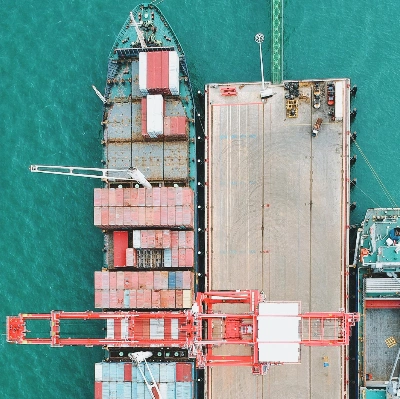
Types of Shipping Containers
Explore the main shipping container types used in global trade, from dry containers and reefers to flat racks, open tops, and specialized units.
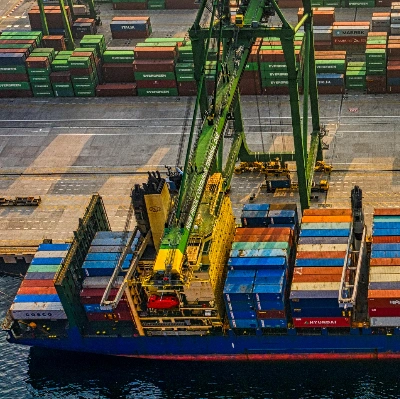
Container Sizes and Dimensions
Understand standard container sizes, internal dimensions, and capacity differences between 20ft, 40ft, and high cube shipping containers.
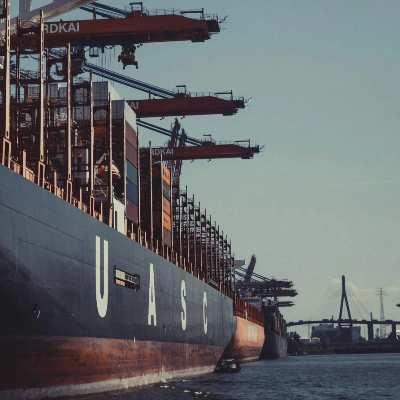
How Container Shipping Works
Learn how international container shipping moves from origin to destination, including booking, loading, ocean transit, customs, and final delivery.
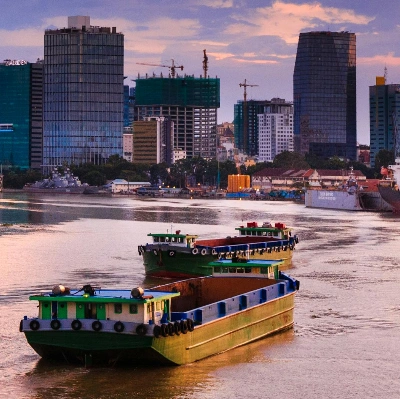
Global Shipping Routes
Discover the major shipping routes that connect ports, trade regions, and international container flows across the global freight network.
Explore More
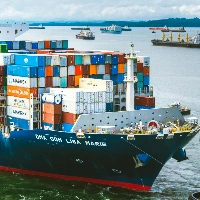
Container Costs and Pricing
See what affects container shipping costs, from freight rates and fuel pressure to port charges, inland transport, and equipment availability.
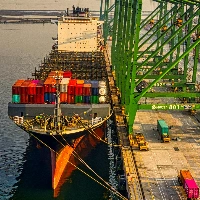
Port Operations and Cargo Handling
Find out how ports handle containers through terminals, cranes, yard systems, cargo flow, and operational processes that affect shipping efficiency.
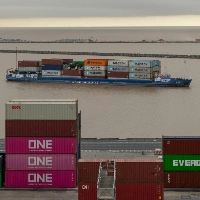
Shipping Documents and Customs
Review the key shipping documents and customs steps used in container freight, including bills of lading, invoices, packing lists, and clearance procedures.
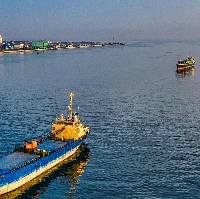
Shipping Risks and Delays
Examine the common risks behind shipping delays, including port congestion, customs holds, documentation errors, weather disruption, and supply chain pressure.
4chanarchive
International Shipping
Read clear, structured insights on container logistics, cargo flow, documentation, route efficiency, and the commercial forces influencing international trade.