
International Shipping Containers Explained with Clarity and Depth
A trusted editorial resource for container logistics, freight systems, port operations, and global shipping trends. Explore practical insights on container types, global routes, port activity, supply chain pressure, and the operational realities shaping international cargo movement.
Shipping Documents and Customs Processes for Container Freight

By: Adam Heath
Adam Heath covers international shipping containers with a focus on freight systems, port activity, trade routes, and operational shipping realities. His writing on 4chanarchive.org is built to make complex container logistics easier to understand, without watering down the details.
Container freight moves through cranes, terminals, vessels, trucks, depots, and warehouses, but it also moves through paperwork. That administrative side is not secondary. In many cases, it is decisive. A container can be packed correctly, routed properly, and delivered to the port on time, yet still fail to move smoothly because the shipping documents are incomplete, inconsistent, late, or inaccurate.
This is one of the most common misunderstandings in international shipping. People often focus on the physical movement of cargo and assume documents are simply supporting material. In reality, documentation is part of the shipment itself. It defines what the cargo is, who is moving it, where it is going, how it should be handled, what authorities need to know about it, and whether customs will allow it to pass.
That is why understanding shipping documents and customs processes for container freight matters. The document chain is what connects commercial intent, transport execution, customs compliance, and cargo release. When the paperwork is right, the container is more likely to move without unnecessary friction. When it is wrong, delay, inspection, storage cost, and release problems can follow quickly.
In this guide, we break down the key documents used in container freight, explain how customs processes fit into the wider shipping system, and show why documentation discipline is one of the foundations of understanding international shipping containers.
Why Shipping Documents Matter in Container Freight
A container shipment is not only a logistics movement. It is also a formal trade transaction. That means the shipment needs documentation that allows multiple parties to identify, process, verify, transport, inspect, and release the cargo.
Shipping documents matter because they help define:
- the cargo
- the seller and buyer
- the shipper and consignee
- the freight arrangement
- the declared value
- the quantity and packaging
- the transport instructions
- the customs treatment
- the legal and commercial reference for the shipment
Without that information, a container becomes difficult to process inside the freight and customs system.
What Documents Actually Do
In practical terms, shipping documents help:
- book the cargo correctly
- describe the goods accurately
- support export and import declarations
- link the shipment to the parties involved
- guide carriers and terminals
- assist customs review
- support cargo release
- create a traceable record of the shipment
This is why documentation is not a formality. It is an operating layer of container shipping.
Why Customs Processes Matter
Customs is the regulatory checkpoint through which international goods must pass. It is one of the main reasons container freight cannot be understood as a simple port-to-port movement.
Customs processes matter because authorities need to know:
- what the goods are
- where they came from
- where they are going
- how they are classified
- what value has been declared
- whether duties or taxes apply
- whether restrictions, permits, or inspections are relevant
- whether the cargo complies with import and export rules
If this information is unclear, inconsistent, or missing, the shipment can slow down or stop.
Customs Is Not Just a Border Formality
In operational terms, customs affects:
- release timing
- terminal dwell time
- storage exposure
- delivery scheduling
- duty and tax processing
- cargo examination risk
- compliance responsibility
This makes customs one of the most powerful timing and cost variables in container shipping.
The Main Document Categories in Container Freight
Most container shipments involve several kinds of documents, each serving a different purpose. Broadly, they fall into these categories:
- commercial documents
- transport documents
- customs and regulatory documents
- cargo-specific supporting documents
- internal shipping instructions and release records
The exact set varies depending on route, cargo type, trade terms, destination, and commodity. But the logic is consistent: every document helps translate the cargo into something the logistics and regulatory system can process.
Commercial Invoice
The commercial invoice is one of the most important documents in container freight. It is a core trade document that describes the transaction between seller and buyer.
It typically identifies:
- seller
- buyer
- goods description
- quantity
- unit value
- total value
- currency
- transaction terms
- reference information relevant to the shipment
Why the Commercial Invoice Matters
The commercial invoice is used by customs and other parties to understand the commercial side of the shipment.
It helps support:
- customs valuation
- cargo identification
- trade documentation consistency
- duty and tax assessment
- commercial reference between buyer and seller
Common Invoice Problems
Problems often arise when the invoice:
- describes goods too vaguely
- conflicts with the packing list
- uses inconsistent values
- omits essential shipment details
- does not match customs declarations
- contains unclear consignee or shipper information
A weak invoice can create customs questions very quickly.
Packing List
The packing list explains how the cargo is physically packed. It complements the commercial invoice by showing packaging structure rather than commercial value.
It often includes:
- number of packages
- type of packaging
- marks and numbers
- dimensions
- gross and net weight
- cargo breakdown by package or pallet
- container reference if relevant
Why the Packing List Matters
The packing list helps:
- terminals and handlers understand the cargo format
- customs verify cargo structure
- inspectors identify packages
- warehouses prepare unloading
- receiving parties confirm shipment contents
Practical Importance
If the invoice explains the trade side, the packing list explains the physical side. In container freight, both are needed because customs and logistics systems do not rely on one document alone.
Bill of Lading
The bill of lading is one of the best-known documents in shipping. It is a transport document associated with the movement of cargo by sea.
Depending on the shipment structure, it may serve as:
- a receipt for cargo
- evidence of carriage terms
- a shipment reference document
- a document linked to cargo release and transfer control
Why the Bill of Lading Matters
The bill of lading is important because it connects:
- the carrier
- the cargo
- the shipper
- the consignee
- the transport movement
- the destination-side release logic
It is one of the central documents in containerized ocean freight.
Common Issues with Bills of Lading
Problems can occur if:
- cargo details do not match other documents
- party names are incorrect
- destination data is inconsistent
- package counts differ from the packing list
- shipment references are wrong
- document release is delayed
A mismatch here can affect both customs handling and cargo release timing.
Sea Waybill and Other Transport Variations
Not every shipment uses the same document structure in exactly the same way. Some movements may use alternatives or shipment arrangements that change how release or carriage records are handled.
The key point is that whatever transport document is used, it must align with:
- the booking
- the carrier’s system
- the commercial documents
- the customs declarations
- the actual cargo details
In shipping, consistency across documents matters more than the label alone.
Shipping Instructions
Before transport documents are finalized, shipping data is often supplied through shipping instructions. These are operational details given to the carrier or logistics provider so that transport documents and booking records can be prepared correctly.
Shipping instructions may include:
- shipper and consignee details
- cargo description
- package count
- weight
- destination information
- routing details
- freight terms
- special handling instructions
Why Shipping Instructions Matter
If wrong information enters the system early, it tends to repeat itself across the rest of the document chain. Many later document problems are not original errors. They are copied errors that began at instruction stage.
Certificate of Origin
A certificate of origin is used in some shipments to identify the country in which the goods originate. It may be relevant for customs, trade agreement treatment, tariff preference, regulatory compliance, or destination documentation requirements.
Why It Matters
This document can affect:
- tariff treatment
- trade eligibility
- customs review
- documentary compliance
It is not required for every shipment in the same way, but where it is relevant, it can become a key part of the clearance process.
Export Declaration
Before containerized cargo leaves the origin country, it may need to be declared to export authorities or customs systems.
An export declaration typically supports the legal reporting and regulatory side of the outbound shipment.
Why Export Declarations Matter
They help ensure:
- cargo is declared properly for export
- trade records are maintained
- goods subject to controls are identified
- the shipment meets origin-side regulatory obligations
Common Problems
Export-side issues can appear when:
- cargo data is incomplete
- commodity details are inconsistent
- values conflict with the invoice
- restricted goods are misdeclared
- required information is submitted too late
Many people focus only on import customs, but export compliance also matters.
Import Declaration
At destination, the shipment usually needs an import declaration or equivalent customs filing so the goods can be assessed and processed for entry.
This often includes:
- goods description
- classification details
- value data
- origin information
- party details
- tax and duty treatment
- shipment references
- supporting documents
Why Import Declarations Matter
This is one of the core customs steps that determines whether the shipment can be released into the destination market.
If the import declaration is incomplete or inconsistent, it can lead to:
- customs queries
- delayed clearance
- inspection
- value reassessment
- classification review
- release hold
Cargo Description and Classification
One of the most important parts of documentation is the cargo description. Another is classification.
Why Cargo Description Matters
A weak cargo description can cause problems because it may be:
- too vague
- commercially unclear
- inconsistent with the actual goods
- insufficient for customs interpretation
- mismatched against other records
Why Classification Matters
Goods are often processed according to customs classification frameworks that determine how they are treated for duty, tax, restrictions, and compliance.
Poor classification can affect:
- customs processing time
- valuation review
- tariff treatment
- cargo eligibility
- examination likelihood
In short, documentation quality is not only about having the right forms. It is about using accurate data inside them.
Gross Weight and Container Data
Container freight documentation often includes shipment weight and container reference information.
This matters for:
- transport planning
- terminal handling
- customs checks
- vessel loading controls
- cargo verification
- container tracking
Why Weight Accuracy Matters
Inaccurate weight data can create:
- safety issues
- terminal rejection
- stowage problems
- customs questions
- booking inconsistencies
The freight system depends on data that reflects the physical shipment honestly.
Customs Clearance Process: Step by Step Logic
Although customs systems vary by country, the general logic of import customs clearance in container freight tends to follow a recognizable pattern.
1. Arrival of Cargo or Advance Filing
Authorities receive shipment information before or at arrival.
2. Submission of Required Documents and Data
Relevant trade and transport documents are presented or filed.
3. Review of Classification, Value, Origin, and Compliance
Customs examines the shipment data for processing.
4. Duty and Tax Assessment Where Applicable
The financial side of import treatment is determined.
5. Inspection or Examination if Required
Some shipments are selected for additional review.
6. Release Decision
If the shipment satisfies customs requirements, release can proceed.
7. Cargo Pickup and Delivery
Once customs and terminal conditions are satisfied, the container can move onward.
This sequence may appear simple, but delay at any point can hold the shipment inside the port environment longer than planned.
Customs Inspection and Examination
Not every container is opened or physically examined, but inspection remains an important part of the customs process.
Containers may be selected for review because of:
- risk profiling
- data inconsistencies
- commodity sensitivity
- regulatory controls
- random selection
- valuation questions
- missing documentation
Why Inspection Matters
Inspection can affect:
- release timing
- terminal dwell
- delivery scheduling
- cost exposure
- unpacking or examination logistics
This is one reason document consistency matters so much. Weak paperwork can increase the chance of extra customs attention.
Permits, Licenses, and Commodity-Specific Requirements
Some cargo types require more than standard commercial and transport documentation.
Depending on the goods and the jurisdiction, additional requirements may include:
- import permits
- export permits
- health certificates
- phytosanitary records
- safety approvals
- controlled goods authorization
- hazardous cargo declarations
- commodity-specific compliance documents
Why These Matter
Where applicable, these documents are not optional add-ons. They are part of the legal basis for moving the cargo. Missing them can block clearance entirely.
Document Consistency Across the Shipment
One of the most important principles in container freight documentation is consistency.
The following details generally need to align across the shipment records:
- shipper and consignee names
- goods description
- package count
- weight
- value
- origin data
- transport references
- container details
- commercial terms where relevant
Why Consistency Matters
Customs and logistics systems are not reviewing one isolated paper. They are comparing connected records. If the invoice, packing list, bill of lading, and declaration all tell slightly different stories, the shipment becomes harder to trust and slower to process.
Common Documentation Mistakes in Container Freight
Several mistakes appear repeatedly in international shipping.
1. Vague Goods Descriptions
Descriptions that are too broad make customs review harder.
2. Mismatch Between Invoice and Packing List
When quantities, weights, or package counts conflict, scrutiny rises.
3. Incorrect Party Information
Wrong shipper, consignee, or notify details can disrupt both customs and release.
4. Delayed Submission
Even accurate documents can cause delay if filed too late.
5. Classification Errors
Misclassification affects duty, tax, and compliance.
6. Missing Supporting Documents
A shipment may look mostly complete but still be non-compliant.
7. Inaccurate Values
Value disputes can trigger customs review or reassessment.
8. Inconsistent Container or Transport References
A mismatch between the physical unit and the paperwork creates operational confusion.
These are basic errors, but they create real commercial consequences.
How Documentation Affects Cost
Shipping documents and customs processes do not only affect release. They affect cost as well.
Poor documentation can lead to:
- customs delay
- terminal storage
- demurrage
- detention
- rework charges
- inspection expenses
- trucking rescheduling
- warehouse disruption
- delayed revenue or inventory access
This is why paperwork is not administrative noise. It is a cost control factor in container shipping.
The Relationship Between Documents and Port Operations
Documentation does not sit separately from terminal activity. Port operations often depend on document status for:
- gate acceptance
- export cut-off compliance
- import release
- inspection coordination
- pickup authorization
- equipment movement
A container may be physically present, but if the document chain is incomplete, the terminal cannot always process it as planned.
This is one of the reasons shipping is both a data system and a cargo system at the same time.
Shipping Documents in the Bigger Picture of International Container Freight
The document and customs layer connects directly to several other key topics:
- how international container shipping works
- port operations and cargo handling
- international shipping container costs
- shipping risks and delays
- types of shipping containers
- shipping container sizes and dimensions
If container types explain the equipment and port operations explain the physical handling, documentation explains the formal identity of the shipment. Together, these topics make the wider system of international shipping containers much easier to understand.
Final Thoughts
Shipping documents and customs processes are not side details in container freight. They are part of the operating core of international shipping. The commercial invoice, packing list, bill of lading, declarations, origin records, permits, and customs filings all help turn physical cargo into something the freight and regulatory system can process.
When the paperwork is accurate, aligned, and submitted on time, containers move with far less friction. When the document chain is weak, even a well-packed and correctly routed shipment can become delayed, inspected, or financially exposed.
That is the real lesson behind shipping documentation. It is not about paperwork for its own sake. It is about control, clarity, compliance, and cargo flow from origin to destination.
Editor’s Picks
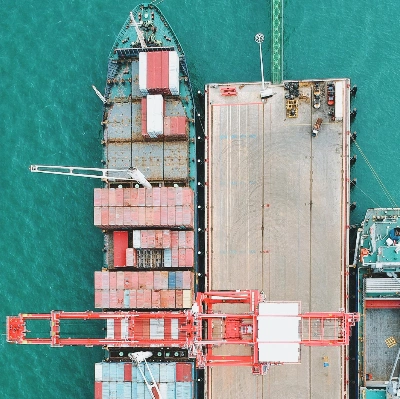
Types of Shipping Containers
Explore the main shipping container types used in global trade, from dry containers and reefers to flat racks, open tops, and specialized units.
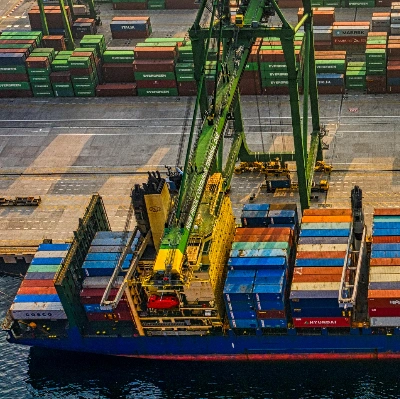
Container Sizes and Dimensions
Understand standard container sizes, internal dimensions, and capacity differences between 20ft, 40ft, and high cube shipping containers.

How Container Shipping Works
Learn how international container shipping moves from origin to destination, including booking, loading, ocean transit, customs, and final delivery.

Global Shipping Routes
Discover the major shipping routes that connect ports, trade regions, and international container flows across the global freight network.
Explore More
Container Costs and Pricing
See what affects container shipping costs, from freight rates and fuel pressure to port charges, inland transport, and equipment availability.
Port Operations and Cargo Handling
Find out how ports handle containers through terminals, cranes, yard systems, cargo flow, and operational processes that affect shipping efficiency.
Shipping Documents and Customs
Review the key shipping documents and customs steps used in container freight, including bills of lading, invoices, packing lists, and clearance procedures.

Shipping Risks and Delays
Examine the common risks behind shipping delays, including port congestion, customs holds, documentation errors, weather disruption, and supply chain pressure.
4chanarchive
International Shipping
Read clear, structured insights on container logistics, cargo flow, documentation, route efficiency, and the commercial forces influencing international trade.