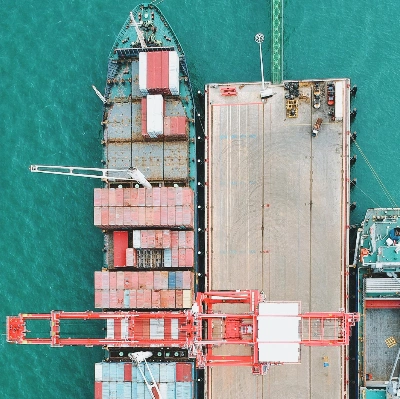
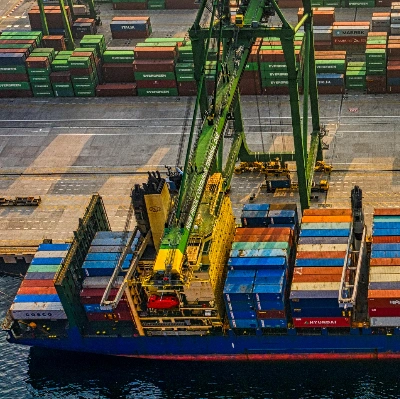
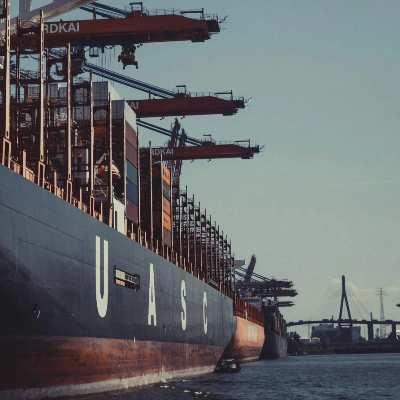
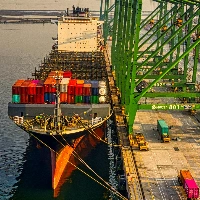
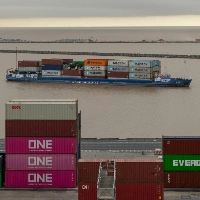
International trade depends on standardization, and few systems have changed freight movement more than the shipping container. What looks simple from the outside is actually a highly structured part of global logistics. Container choice affects cargo protection, loading efficiency, freight costs, handling requirements, and how smoothly cargo moves through ports, terminals, inland transport networks, and customs processes.
Not every shipment belongs in the same container. Some cargo travels well in a standard dry unit. Other cargo needs refrigeration, top loading access, side access, oversized support, or open structural flexibility. That is why understanding the main types of shipping containers matters for anyone trying to make sense of international freight.
This guide explains the most common container categories used in international trade, how they differ, and what kinds of cargo they are built to handle. If you are building a broader understanding of international shipping containers, this article serves as one of the key foundations of that topic.
Why Shipping Container Type Matters
Choosing a container is not just a loading decision. It shapes the entire shipment workflow.
The wrong container can create handling issues, wasted space, higher freight costs, cargo instability, temperature problems, or delays during loading and unloading. The right container, on the other hand, helps align the shipment with vessel space planning, terminal handling equipment, inland transport constraints, cargo dimensions, and the practical realities of global container shipping.
Container selection usually depends on several variables:
- cargo size and weight
- cargo sensitivity
- loading method
- temperature requirements
- route conditions
- port handling capability
- final delivery constraints
- compliance and safety considerations
That is why container type is one of the first practical decisions in any serious freight planning process.
What Is a Shipping Container?
A shipping container is a standardized freight unit designed to move cargo efficiently across multiple transport stages, including trucks, rail systems, container terminals, ports, and ocean vessels. Standardization allows containers to be stacked, lifted, tracked, stored, and transferred in ways that make containerized trade scalable.
Modern container logistics is built around this predictability. Carriers, terminals, depots, cranes, vessels, and customs systems all operate more efficiently when cargo is packed into standardized units.
But “shipping container” is not a single format. It is a category made up of several designs, each built for different cargo needs.
Standard Dry Containers
The standard dry container is the most widely used container in international shipping. It is also the default unit most people think of when they hear the word container.
These containers are enclosed, weather-resistant, and designed for general cargo that does not require temperature control or unusual loading access. They are commonly used for palletized goods, cartons, machinery parts, consumer products, textiles, packaged materials, electronics, industrial supplies, and many kinds of non-perishable freight.
Dry containers are popular because they are efficient, widely available, and compatible with standard port and inland freight systems. They form the backbone of containerized cargo movement on global trade routes.
Common Uses of Dry Containers
Dry containers are often used for:
- boxed cargo
- retail goods
- tools and equipment
- packaged industrial products
- furniture
- household goods
- general commercial freight
Strength of Dry Containers
Their strength is simplicity. For ordinary freight that fits within size and weight limits, dry containers remain the most practical and scalable option in container shipping.
High Cube Containers
A high cube container is similar to a standard dry container, but it offers extra height. That additional vertical space makes it useful for cargo that is bulky rather than exceptionally heavy.
High cube units are often used when shippers need more cubic capacity without moving into more specialized equipment. They are common in freight planning where maximizing volume matters.
Why High Cube Containers Are Used
A high cube container is often chosen for:
- lightweight but bulky cargo
- furniture and fittings
- retail stock
- finished products with more packaging volume
- cargo that benefits from extra vertical clearance
Practical Advantage
The extra height can improve space efficiency and reduce the number of units required for certain shipments. In real freight terms, that can affect cost structure, load planning, and even warehouse handling decisions.
Reefer Containers
A reefer container, or refrigerated container, is designed for cargo that must be kept within a controlled temperature range during transport. Unlike a standard dry unit, a reefer supports commodities that can spoil, degrade, or lose value if temperature conditions are not maintained.
These containers are essential in cold chain logistics and are widely used in international trade involving food, pharmaceuticals, chemicals, and other sensitive cargo.
Common Reefer Cargo
Reefer containers are typically used for:
- fresh produce
- frozen food
- chilled meat and seafood
- dairy products
- pharmaceuticals
- temperature-sensitive chemicals
- certain specialty agricultural products
Why Reefers Matter
A reefer is not simply a cold box. It is part of a temperature-controlled freight system that depends on power supply, monitoring, terminal handling discipline, route planning, and equipment condition. Reefer shipping has more operational variables than standard container freight, which means handling errors can become costly very quickly.
Operational Considerations
Reefer cargo requires closer attention to:
- temperature settings
- airflow requirements
- power connection
- cargo compatibility
- inspection procedures
- terminal dwell time
- route reliability
This makes reefer containers one of the most operationally sensitive types of shipping containers in global logistics.
Open Top Containers
An open top container is built for cargo that cannot be loaded easily through standard container doors. Instead of a fixed steel roof, it has an open top that can be covered when needed, allowing cargo to be loaded from above.
This makes it useful for heavy, tall, awkward, or irregular cargo that requires crane loading.
Common Uses of Open Top Containers
Open top containers are often used for:
- industrial machinery
- oversized equipment
- stone or heavy material units
- tall cargo that exceeds door loading practicality
- freight that needs top access during loading
Why Open Top Units Exist
Some cargo technically fits inside a container but cannot be maneuvered through standard rear doors. In those cases, top loading solves a handling problem without immediately requiring flat racks or breakbulk solutions.
Limitation
Open top containers are more specialized and not always as widely available as standard units. They also require more planning around lifting methods, securing cargo, and weather protection.
Flat Rack Containers
A flat rack container is built for cargo that is too wide, too tall, too heavy, or too irregular for standard enclosed containers. Flat racks usually have a strong base and end walls, while the sides remain open or absent.
This design allows oversized cargo to be loaded from the side or top and secured directly onto the base structure.
Common Flat Rack Cargo
Flat racks are commonly used for:
- heavy machinery
- industrial components
- large pipes
- steel structures
- construction equipment
- project cargo
- oversized cargo units
Why Flat Racks Matter
Flat racks play an important role in containerized project logistics. They bridge the gap between standard container freight and more complex breakbulk transport. For cargo that exceeds normal dimensions but can still move through a container-based handling system, flat racks offer operational flexibility.
Key Consideration
Using a flat rack usually brings extra attention to:
- cargo securing
- lashing points
- port handling procedures
- route restrictions
- out-of-gauge planning
- carrier approval requirements
Flat racks are practical, but they are not casual equipment. They usually involve higher planning discipline.
Platform Containers
A platform container is even more stripped back than a flat rack. It generally consists of a reinforced base without side walls or a roof, and in some cases without fixed end walls. It is intended for very heavy or unusually shaped cargo that cannot be contained within a normal unit.
Typical Cargo for Platform Containers
These units may be used for:
- extremely heavy machinery
- industrial plant components
- large fabricated structures
- project cargo with unusual dimensions
Why Platform Units Are Used
The purpose is straightforward: maximum structural support with minimal enclosure restrictions. They are not used for ordinary cargo. They are used when the cargo itself determines the loading geometry.
Side Open Containers
A side open container provides access from the side rather than relying only on rear doors. This type can be useful for cargo that is easier to load with forklifts from the side or for freight that needs broader access during packing and unloading.
Typical Advantages
Side open containers help with:
- easier access to long or awkward cargo
- loading in locations with limited rear access
- more flexible packing and unpacking workflows
These units are less common than standard dry containers, but they can solve specific operational problems in freight handling.
Tank Containers
A tank container is used for liquid cargo, chemicals, and certain bulk fluids. Instead of being a box unit, it contains a tank mounted within a standardized frame so it can move through container handling systems.
Typical Tank Container Cargo
Tank containers are often used for:
- industrial liquids
- chemicals
- food-grade liquids
- hazardous liquid cargo
- specialty bulk fluid shipments
Why Tank Containers Matter
Tank containers allow liquid freight to move in a more standardized and intermodal-friendly way. But they also involve stricter safety, compatibility, and compliance considerations than ordinary dry freight.
Ventilated Containers
A ventilated container is designed to allow airflow for cargo that needs ventilation during transport. This may include certain agricultural products or commodities that should not be sealed in an airtight space for long international movements.
Common Use Cases
These containers may be used for:
- coffee beans
- cocoa
- certain agricultural cargoes
- moisture-sensitive goods that benefit from airflow
This is a more niche category, but it remains relevant in specific export sectors.
Insulated Containers
An insulated container differs from a reefer in that it helps moderate temperature conditions without functioning as an active refrigerated system in the same way. These units may be used where some thermal protection is needed, but not full reefer-level control.
They are more specialized and less commonly discussed, yet still relevant in freight systems where cargo needs protection from external temperature swings.
Specialized Containers and Non-Standard Equipment
Not all freight fits neatly into the common categories above. Some cargo moves in highly specialized equipment depending on industry, dimensions, sensitivity, or route requirements. This includes modified units, industry-specific container formats, and equipment designed for hazardous or unusual shipments.
The broader point is this: container logistics is standardized, but not simplistic. Standardization creates efficiency, yet the system still depends on choosing the right tool for the cargo.
How to Choose the Right Shipping Container
Container selection should be based on cargo realities, not guesswork.
The right questions include:
- Is the cargo general, refrigerated, oversized, liquid, or irregular?
- Does it need top access or side access?
- Does it fit standard internal dimensions?
- Does it require temperature control?
- Is the cargo out of gauge?
- Will the shipment face route, port, or equipment limitations?
- Does the destination infrastructure support specialized handling?
In practice, container choice is shaped by cargo dimensions, sensitivity, weight distribution, loading method, and the transport chain around it.
For example:
- general boxed freight usually suits a dry container
- bulky cargo may fit better in a high cube
- perishable goods require a reefer
- top-loaded machinery may need an open top
- oversized industrial cargo may require a flat rack or platform
- bulk liquid cargo moves in a tank container
That is the operational logic behind the system.
Why Container Type Affects Cost and Risk
Container type influences more than loading. It can change:
- equipment availability
- freight pricing
- terminal handling cost
- loading complexity
- lashing requirements
- vessel acceptance
- route suitability
- customs inspection practicality
- damage exposure
- transit risk
Standard dry containers are usually more available and predictable. Specialized units may cost more, require earlier planning, and come with tighter operational conditions. That is why container knowledge should never be separated from cost planning and risk management.
Container Types in the Bigger Picture of International Shipping
Understanding container types is one of the most basic building blocks in the wider subject of international freight. It connects directly to other essential topics such as container dimensions, shipping documentation, port operations, cargo handling, freight pricing, and delay risk.
If this article gives you the equipment layer of the story, the broader international shipping containers topic explains how those units fit into global cargo systems, trade routes, terminals, vessel schedules, and supply chain movement as a whole.
Final Thoughts
Shipping containers are standardized by design, but the freight moving inside them is not. That is why multiple container types exist. Each one solves a different transport problem.
Dry containers support general cargo at scale. High cube containers improve cubic efficiency. Reefers protect temperature-sensitive goods. Open tops and flat racks handle unusual or oversized freight. Tank containers support liquid cargo. Other specialized units solve narrower logistical needs.
The important point is not to memorize container names for the sake of terminology. The real goal is to understand how equipment choice shapes cargo safety, cost efficiency, handling practicality, and movement through the international shipping chain.
For any editorial site building topical depth around global logistics, this subject is foundational. Container type is not a side detail. It is one of the first decisions that defines how international cargo moves.